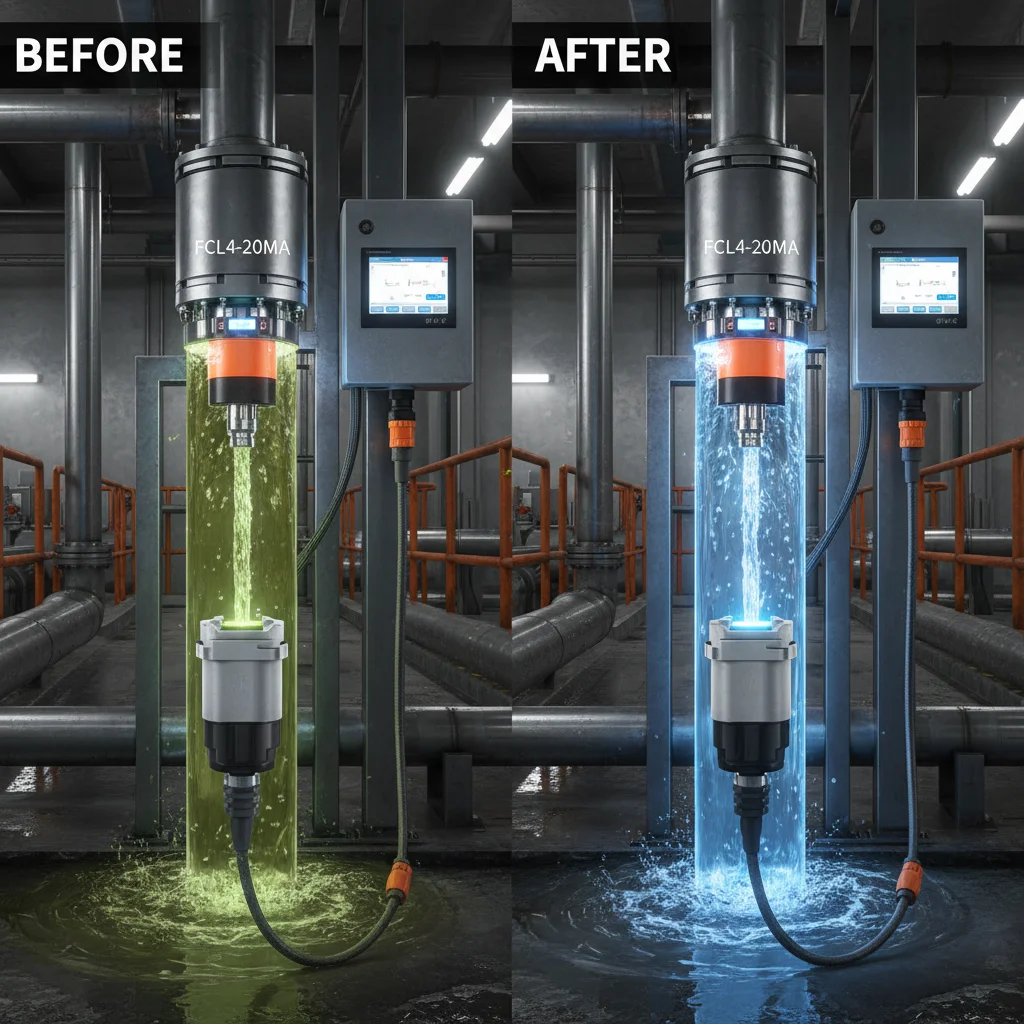
The escalating global concerns surrounding water resources demand increasingly sophisticated monitoring solutions. A multi parameter water quality analyzer represents a critical tool in addressing these challenges, providing comprehensive, real-time data on numerous water quality indicators. From ensuring safe drinking water to protecting delicate ecosystems, and optimizing industrial processes, these analyzers are becoming indispensable across a diverse spectrum of applications. Understanding their capabilities is paramount for effective water resource management and safeguarding public health.
The importance of consistent and accurate water quality data cannot be overstated. Traditional methods of water analysis are often time-consuming, labor-intensive, and prone to errors. A multi parameter water quality analyzer offers a streamlined, automated solution that delivers precise readings, allowing for swift identification of potential contaminants and proactive mitigation strategies. This capability is vital in addressing issues like pollution, algal blooms, and ensuring compliance with stringent environmental regulations.
Investing in advanced water quality monitoring is not merely a technological upgrade; it’s a commitment to sustainability, public safety, and responsible resource management. The ability to quickly assess and respond to changing water conditions, facilitated by a multi parameter water quality analyzer, empowers stakeholders to make informed decisions and protect this invaluable resource for future generations.
The Importance of multi parameter water quality analyzer
The demand for robust water quality monitoring is driven by a multitude of factors, including growing populations, increasing industrial activity, and heightened awareness of environmental pollution. A multi parameter water quality analyzer addresses this need by providing a comprehensive solution for assessing water quality across various parameters simultaneously.
According to the United Nations, billions of people still lack access to safe drinking water. Utilizing a multi parameter water quality analyzer is crucial for identifying contaminants and ensuring the delivery of potable water, particularly in developing nations and areas affected by natural disasters. Accurate data is the foundation for effective water treatment and public health initiatives.
Defining multi parameter water quality analyzer
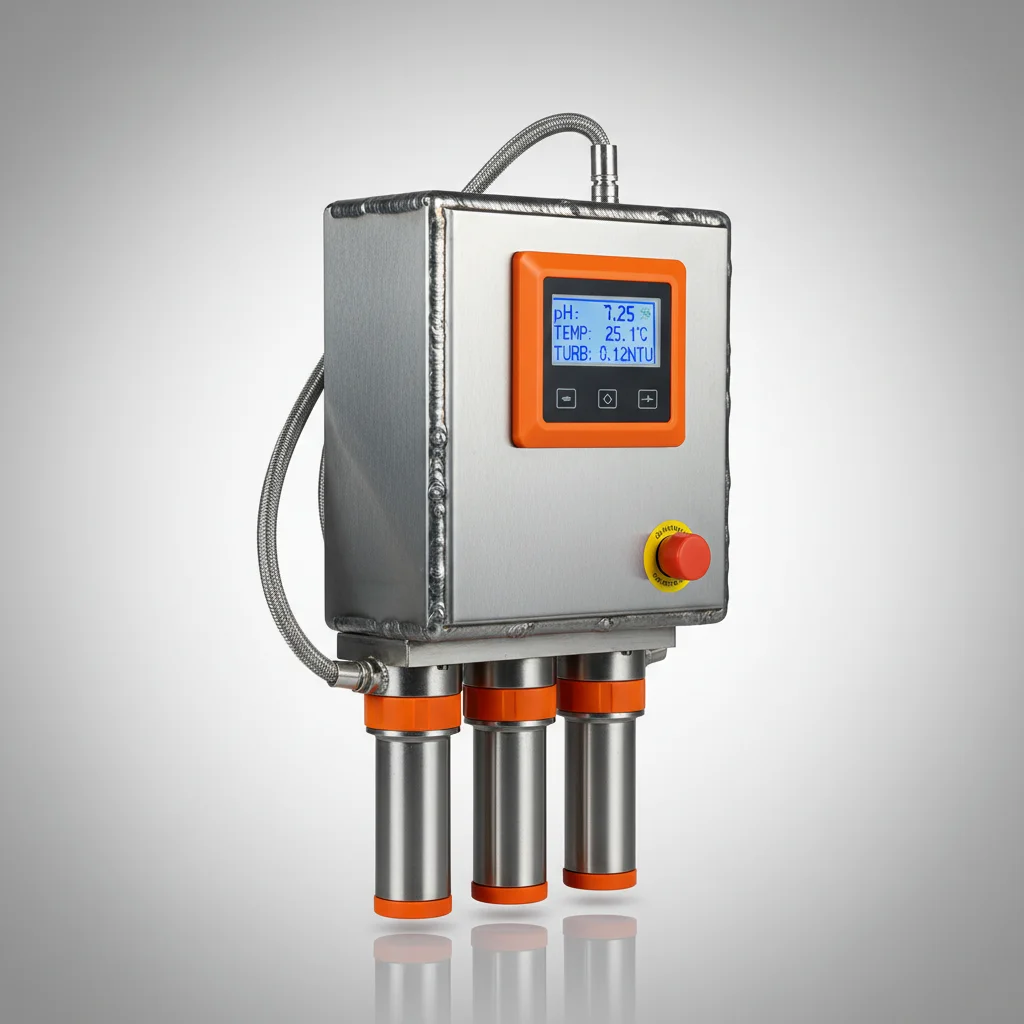
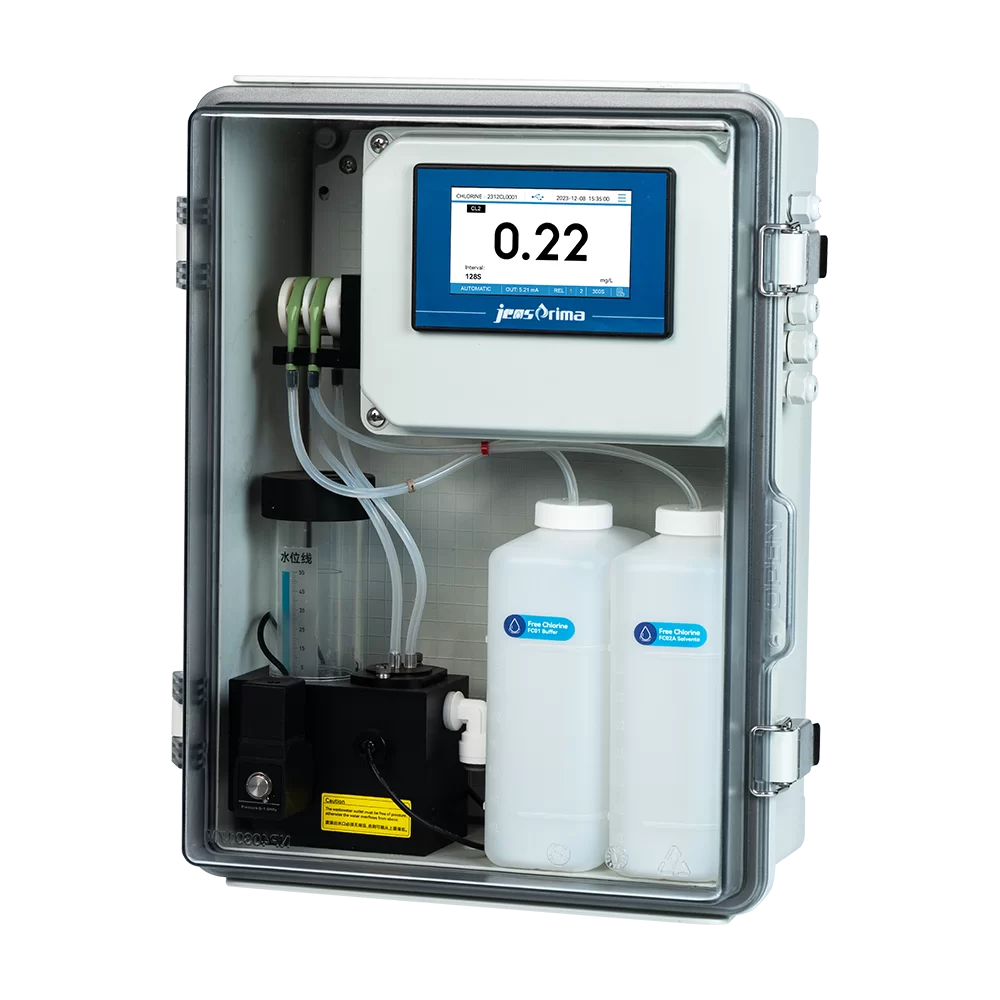
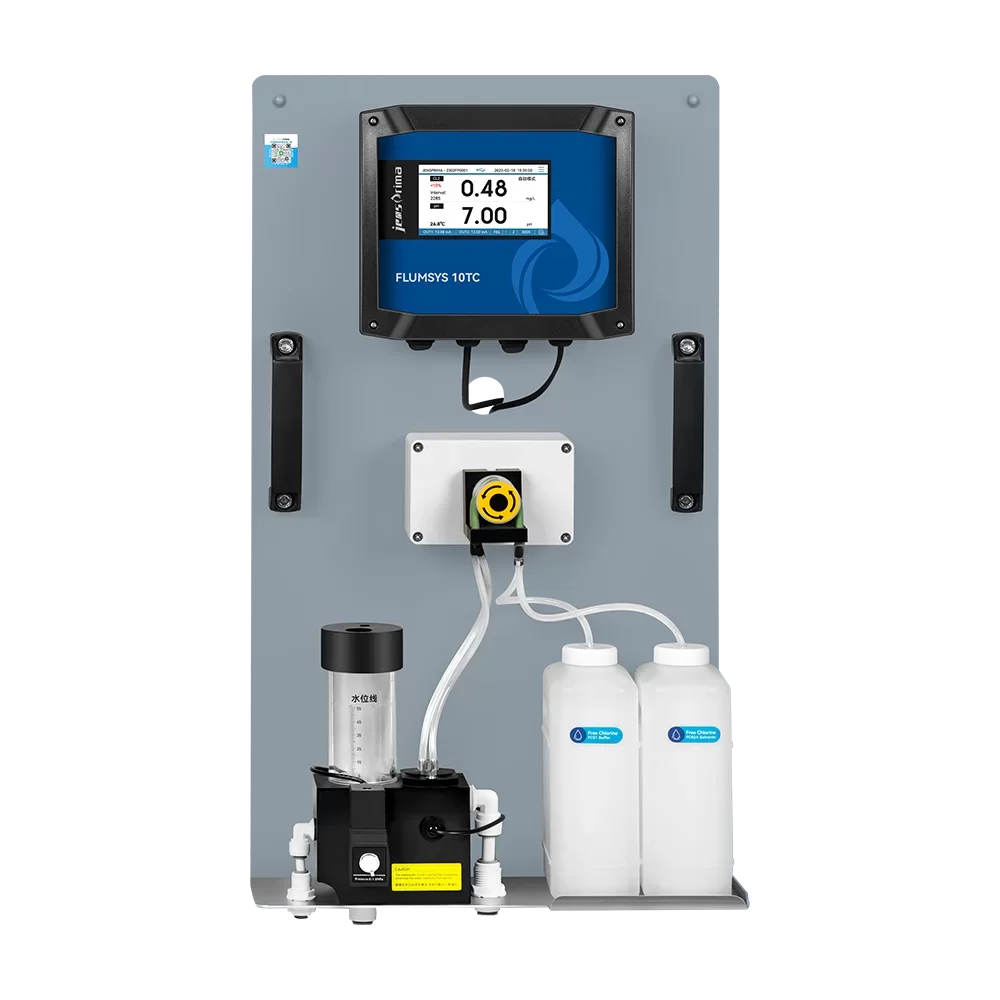
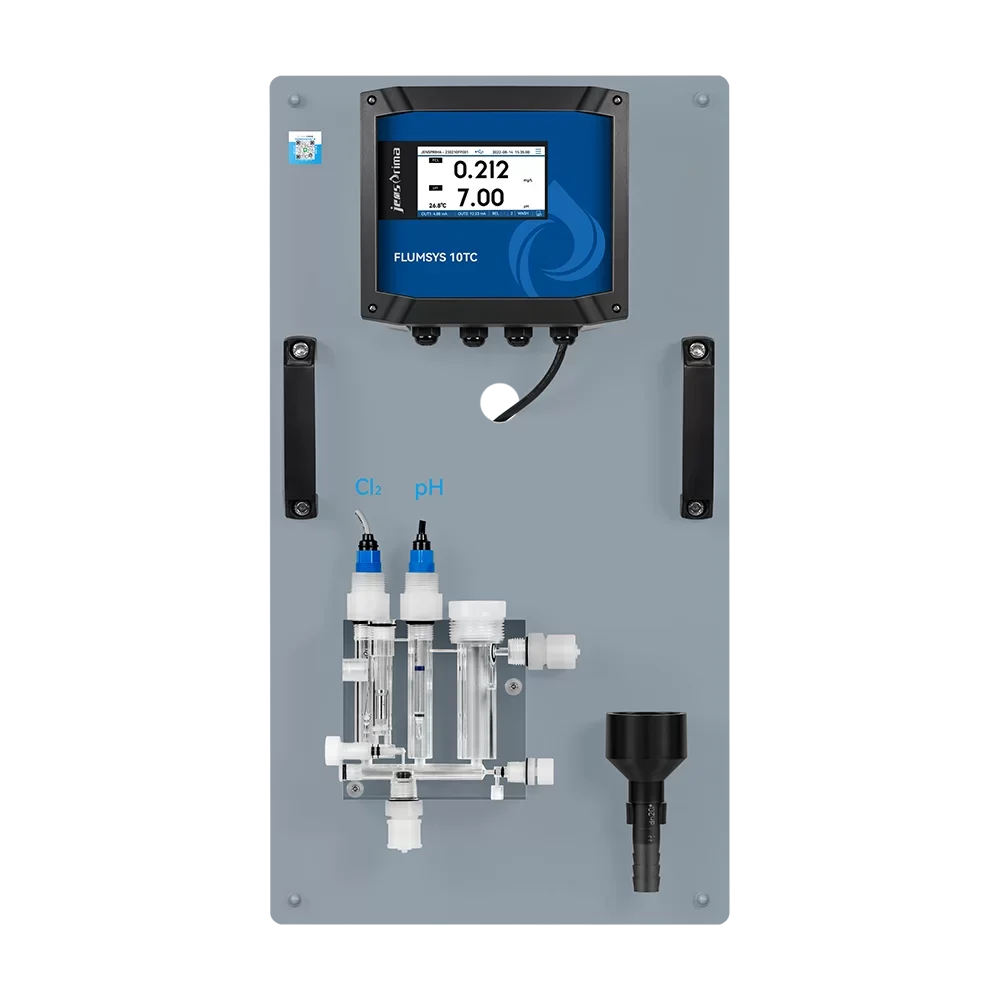
A multi parameter water quality analyzer is an instrument designed to measure multiple physical, chemical, and biological parameters of water in a single analysis. Unlike traditional methods that require separate tests for each parameter, these analyzers integrate several sensors and measurement technologies into a compact and portable device.
These analyzers are utilized in a wide range of fields, from environmental monitoring and water treatment plants to aquaculture and industrial discharge control. Their ability to provide a holistic view of water quality makes them essential for maintaining ecological balance and ensuring regulatory compliance. They are a vital component of modern water management systems.
The connection to modern industry and humanitarian needs is significant. Industrial processes often require specific water quality standards for efficiency and product integrity. In humanitarian contexts, rapid assessment of water sources is critical for preventing waterborne diseases and providing safe drinking water during emergencies.
Core Components of a multi parameter water quality analyzer
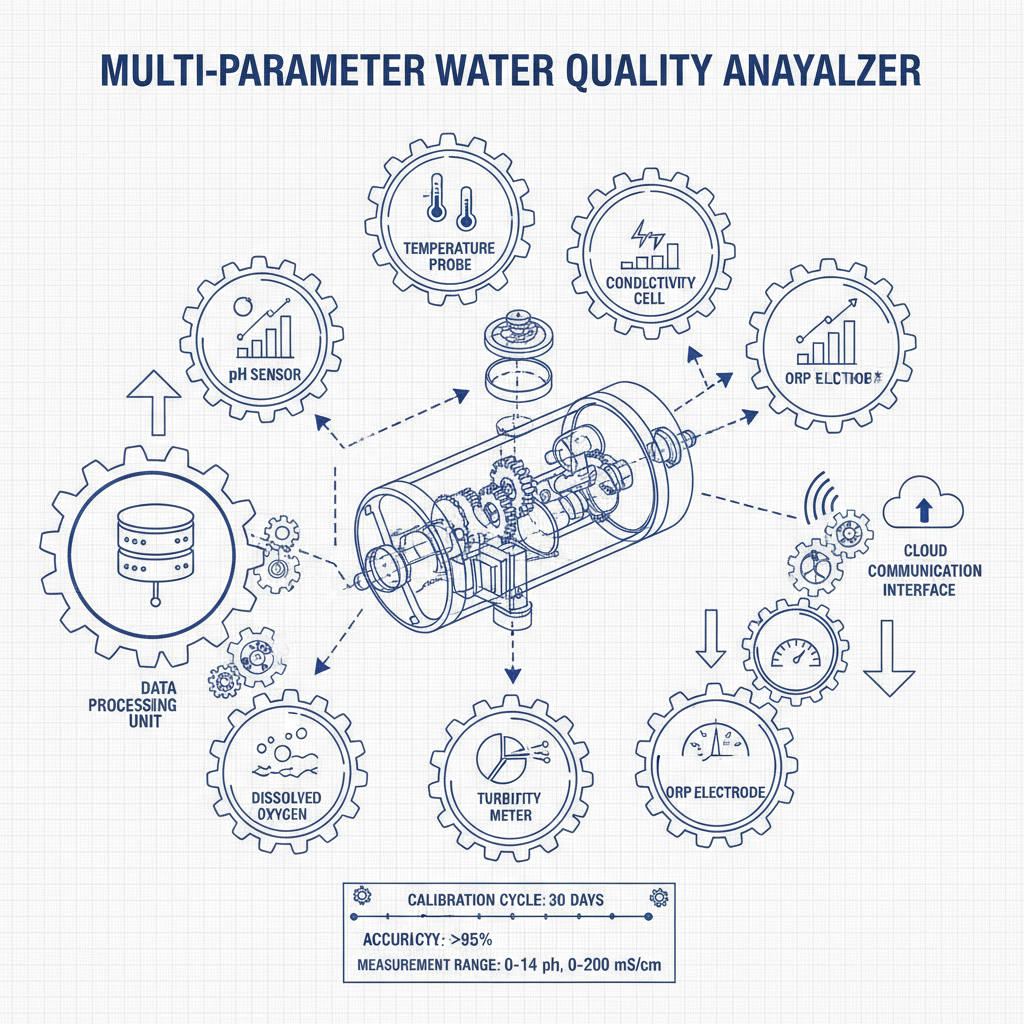
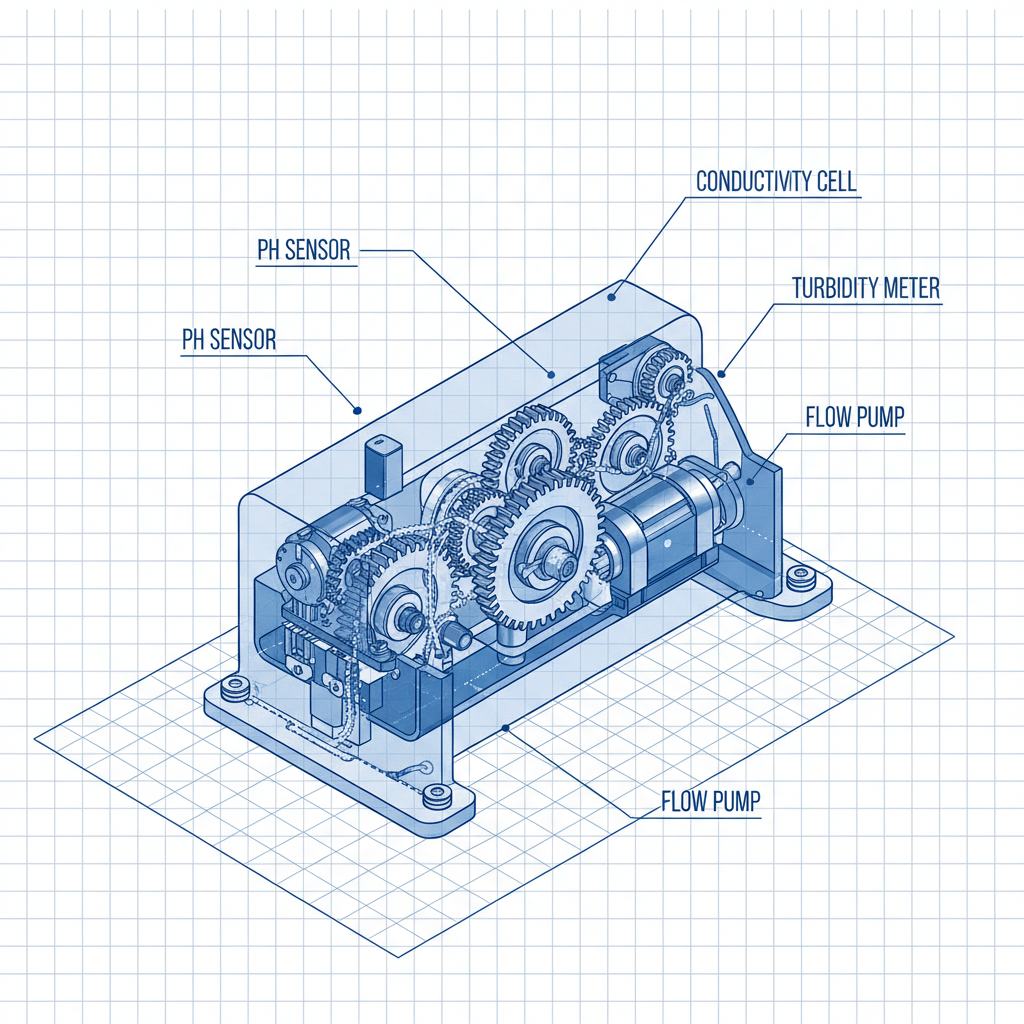
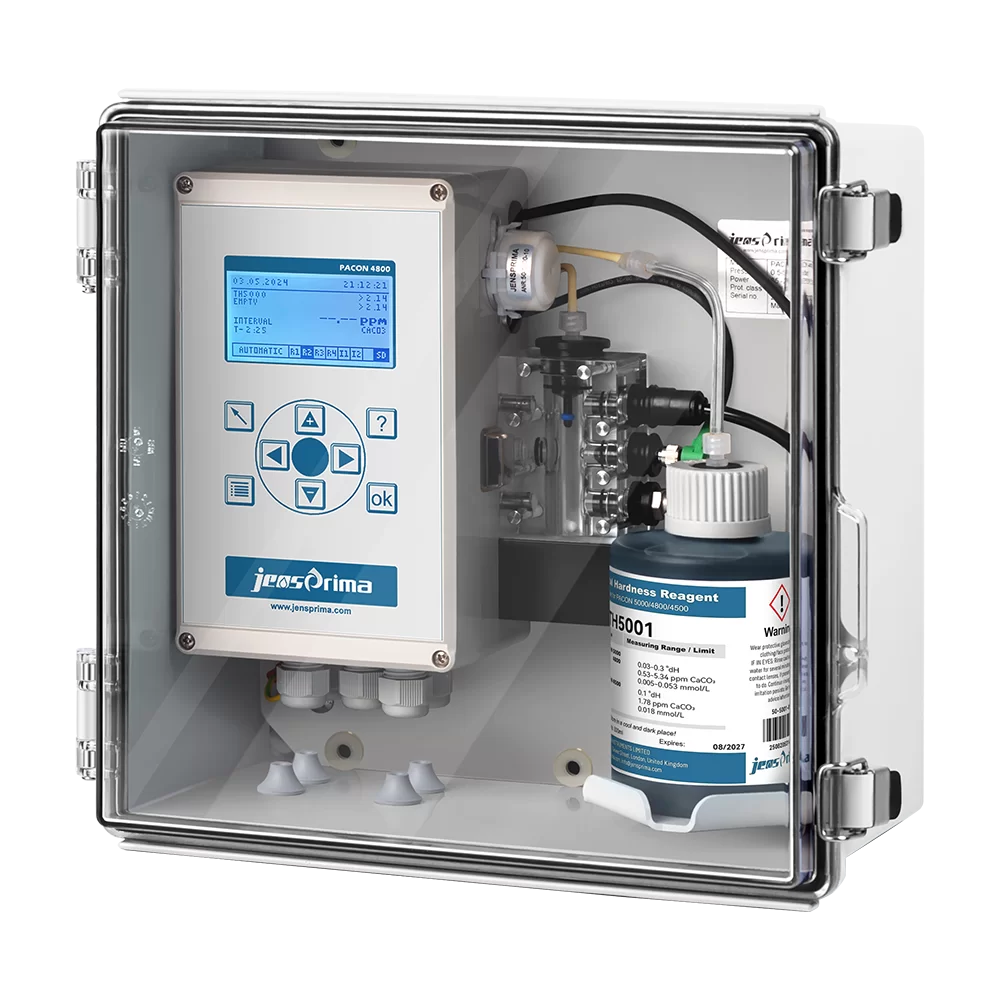
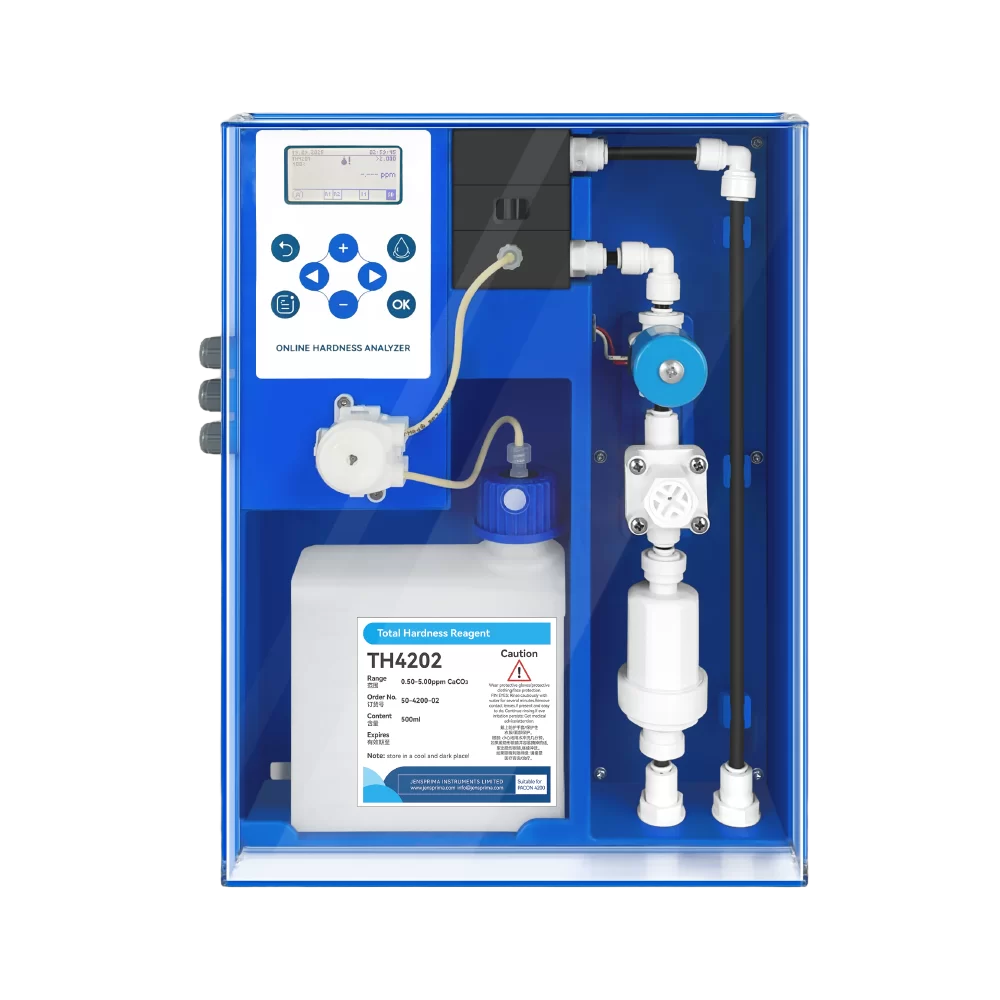
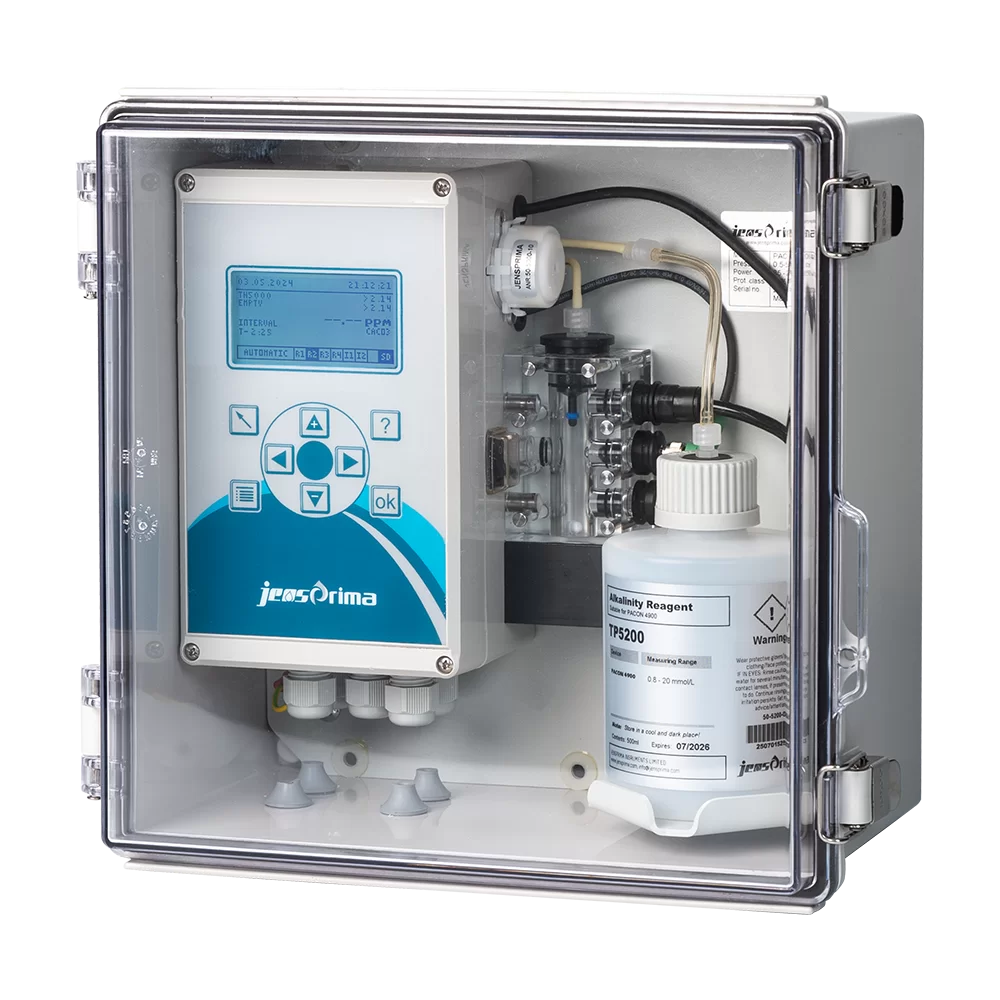
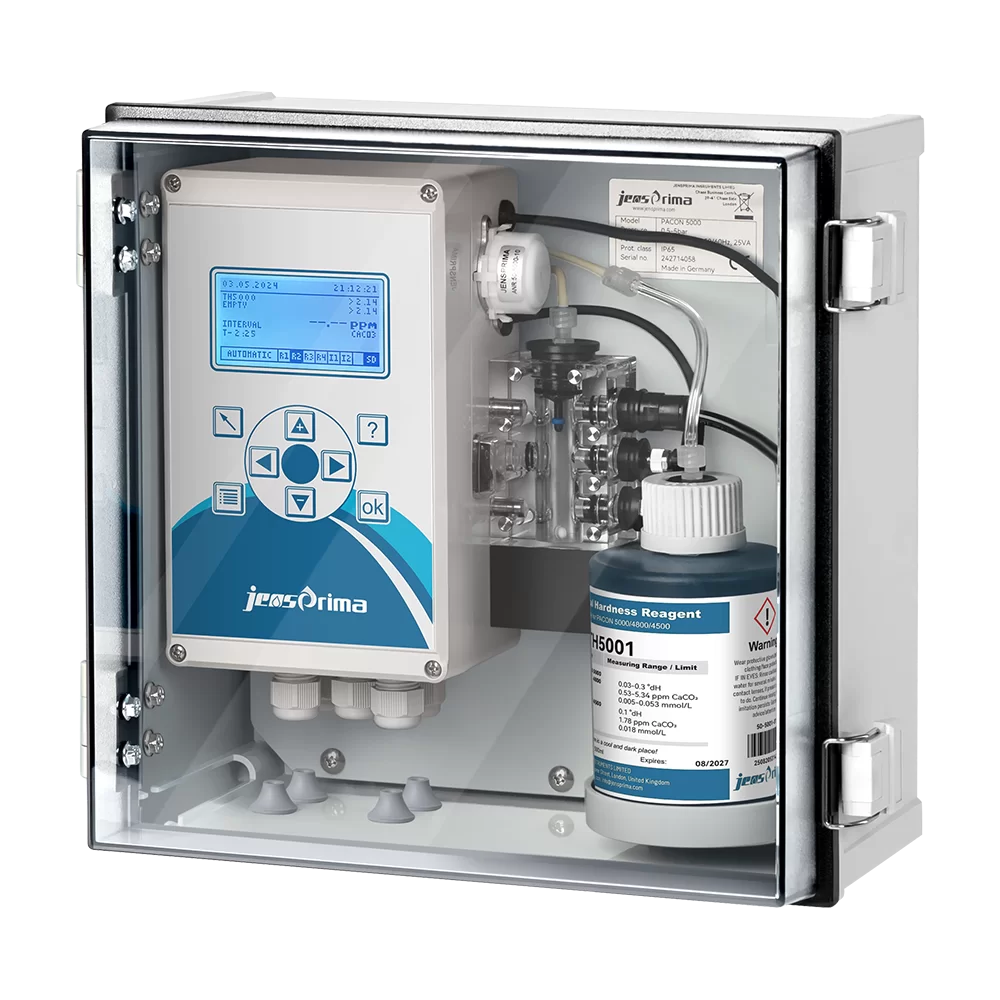
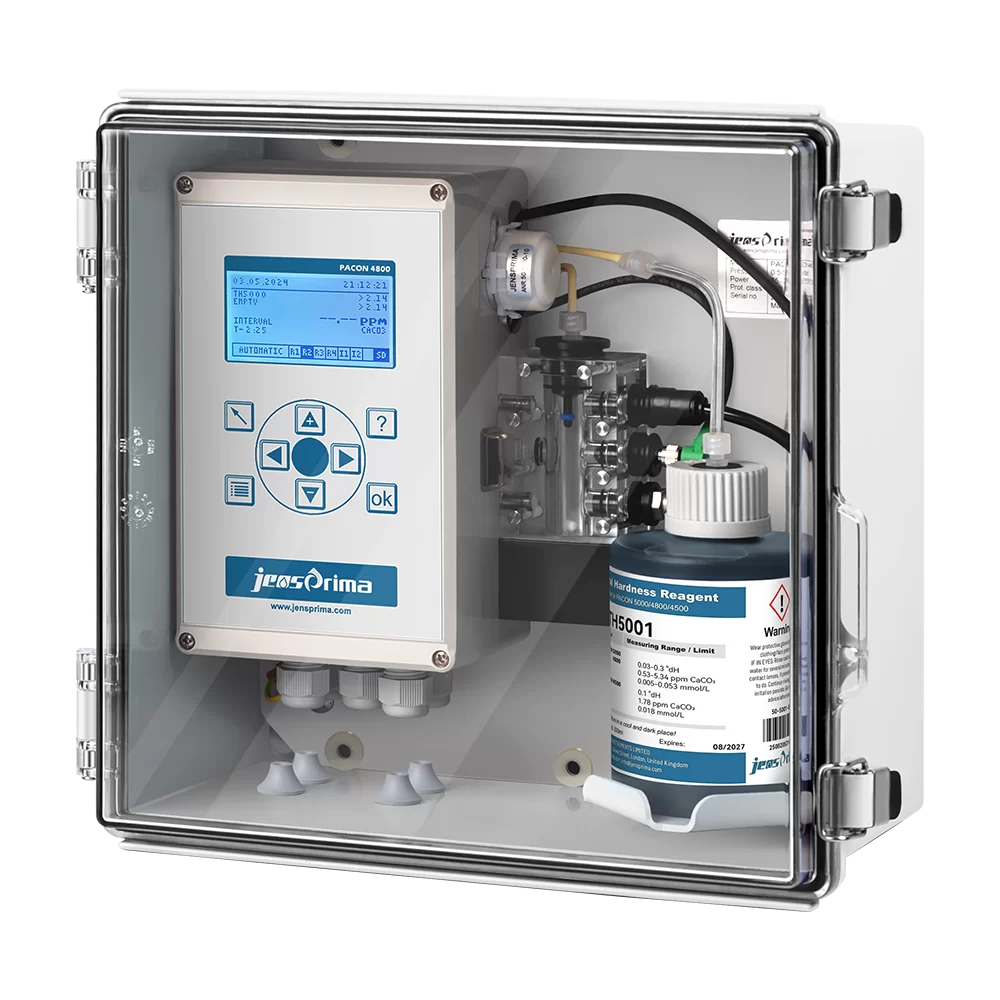
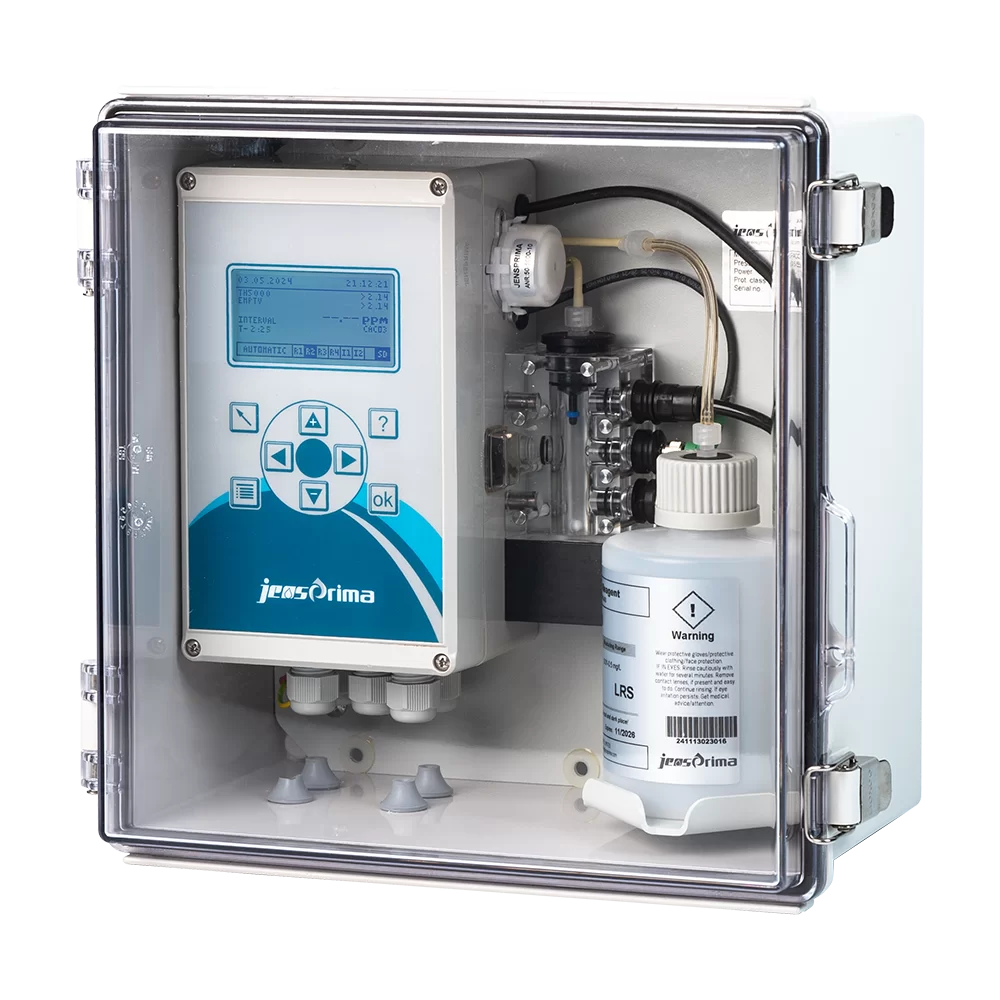
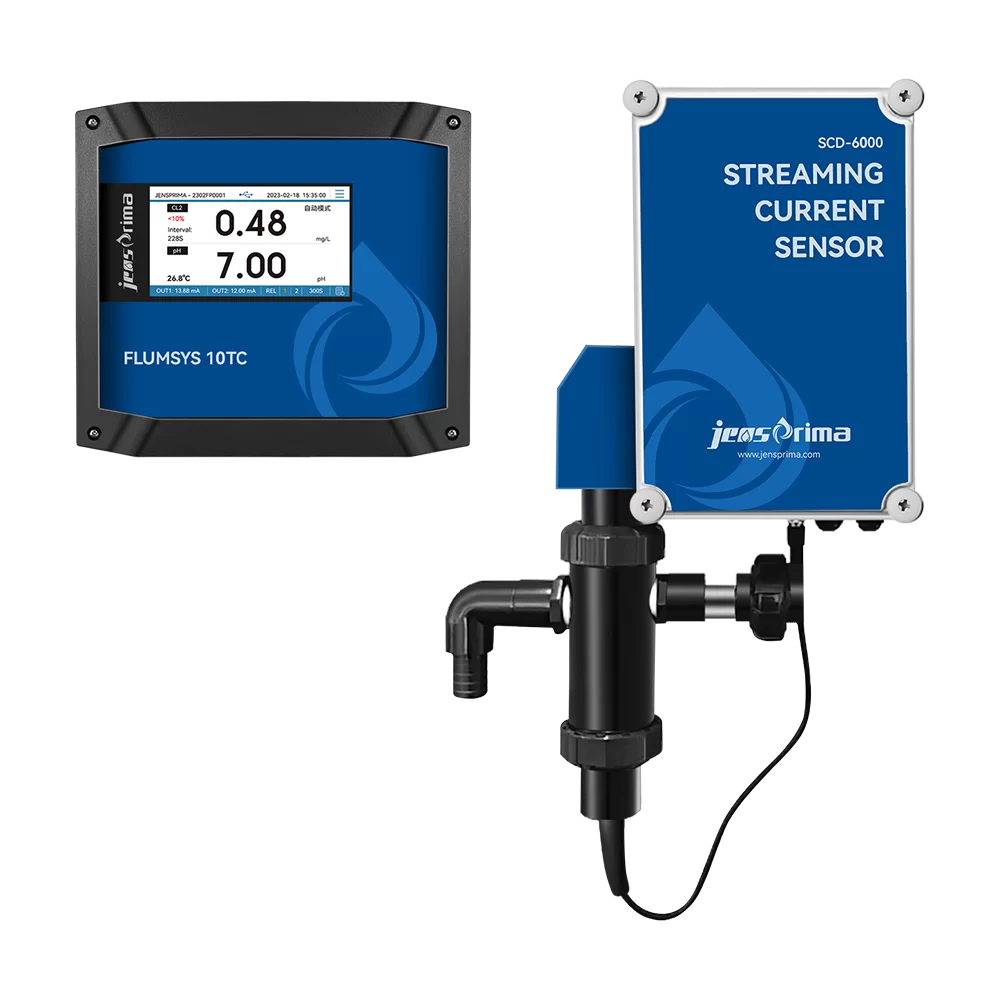
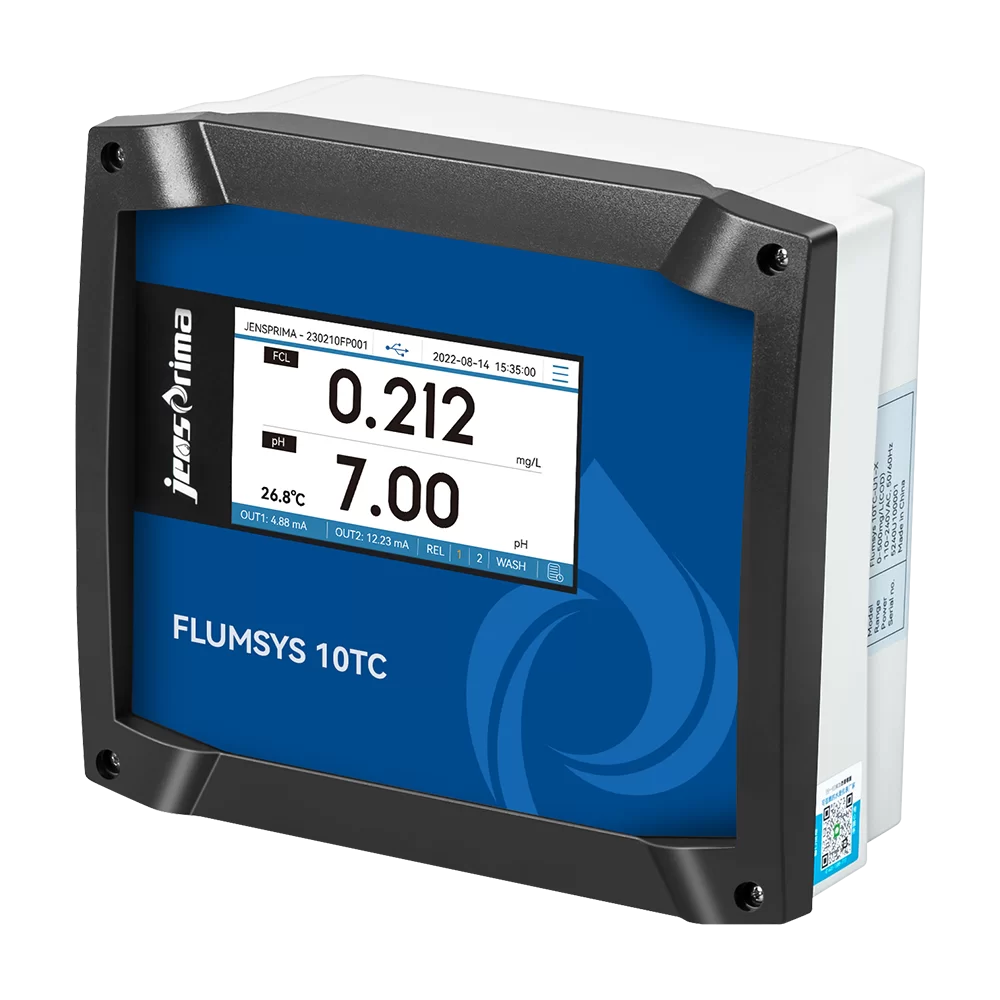
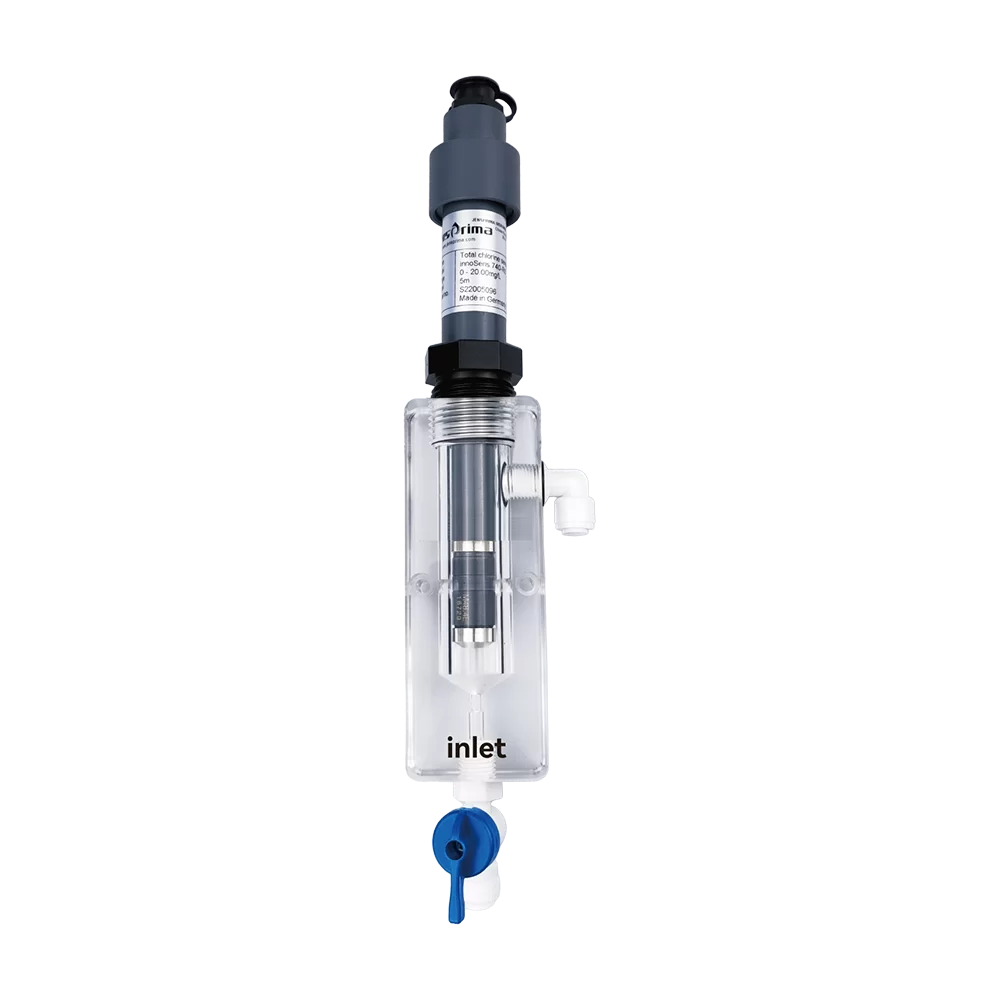
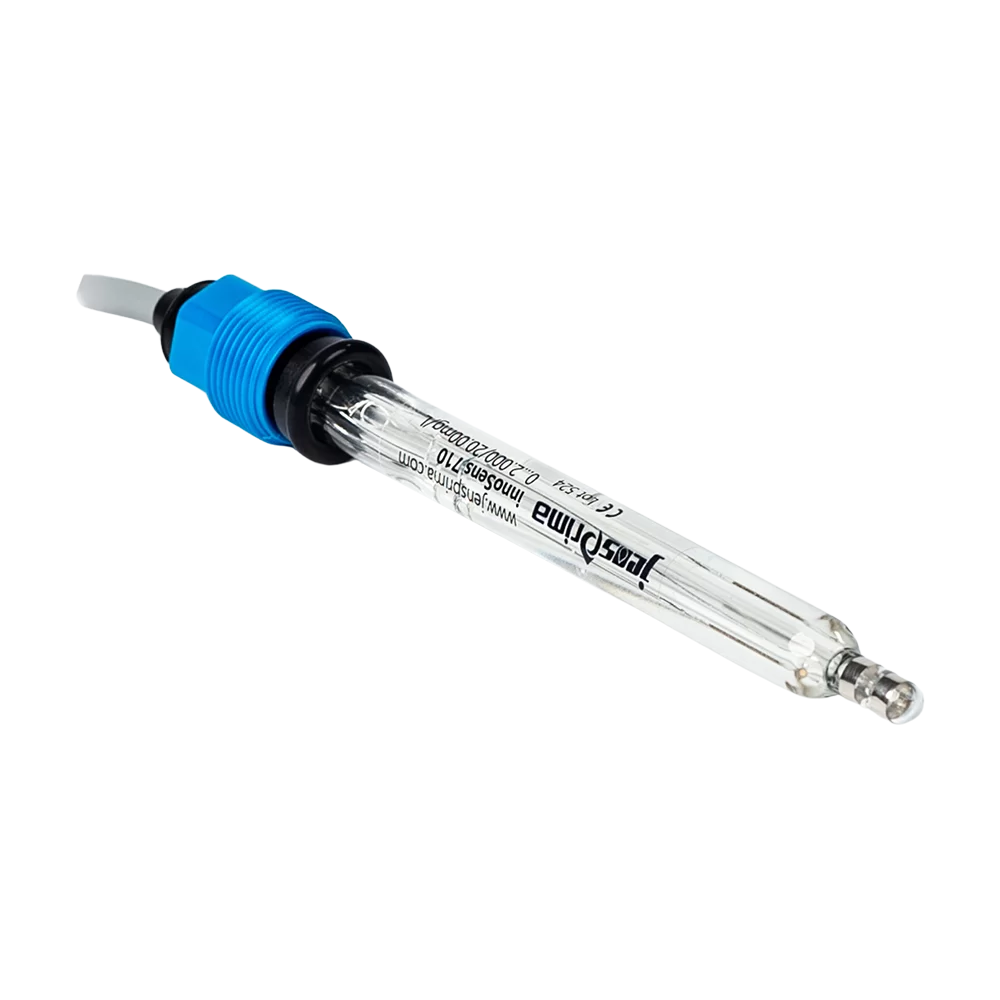
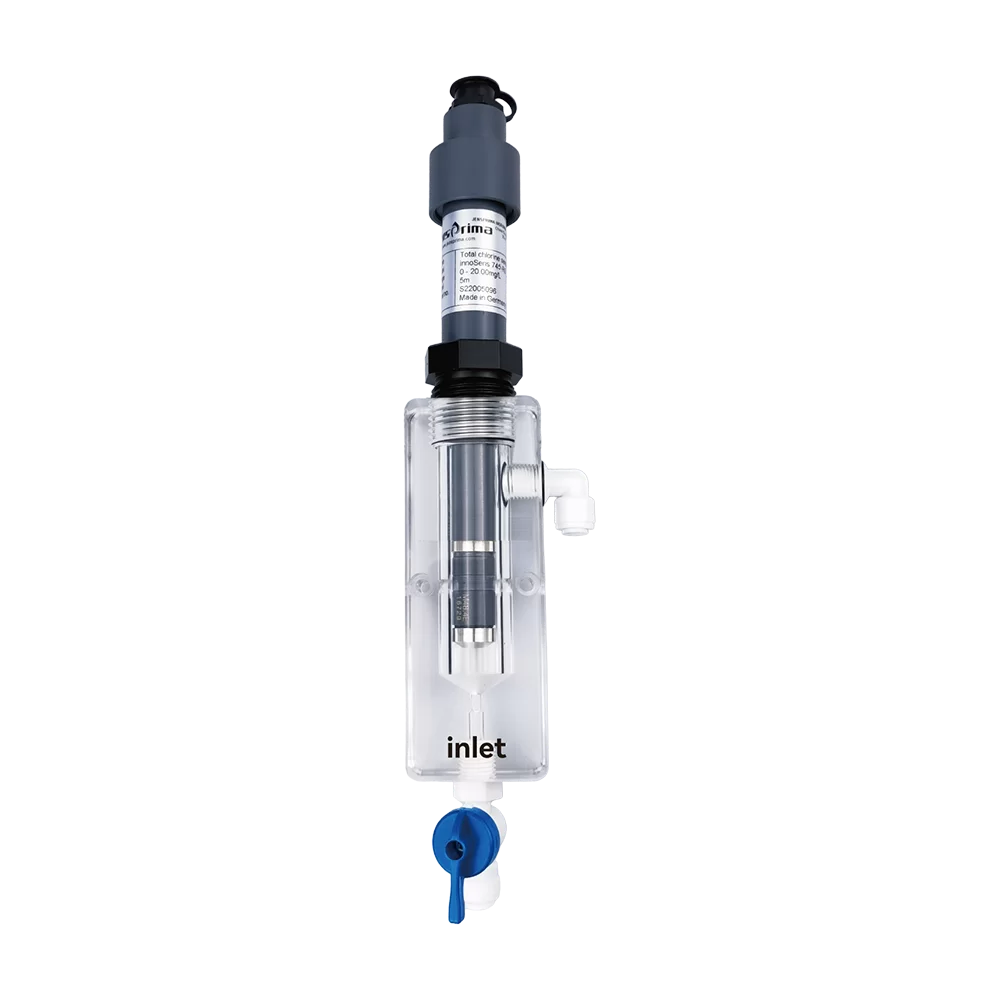
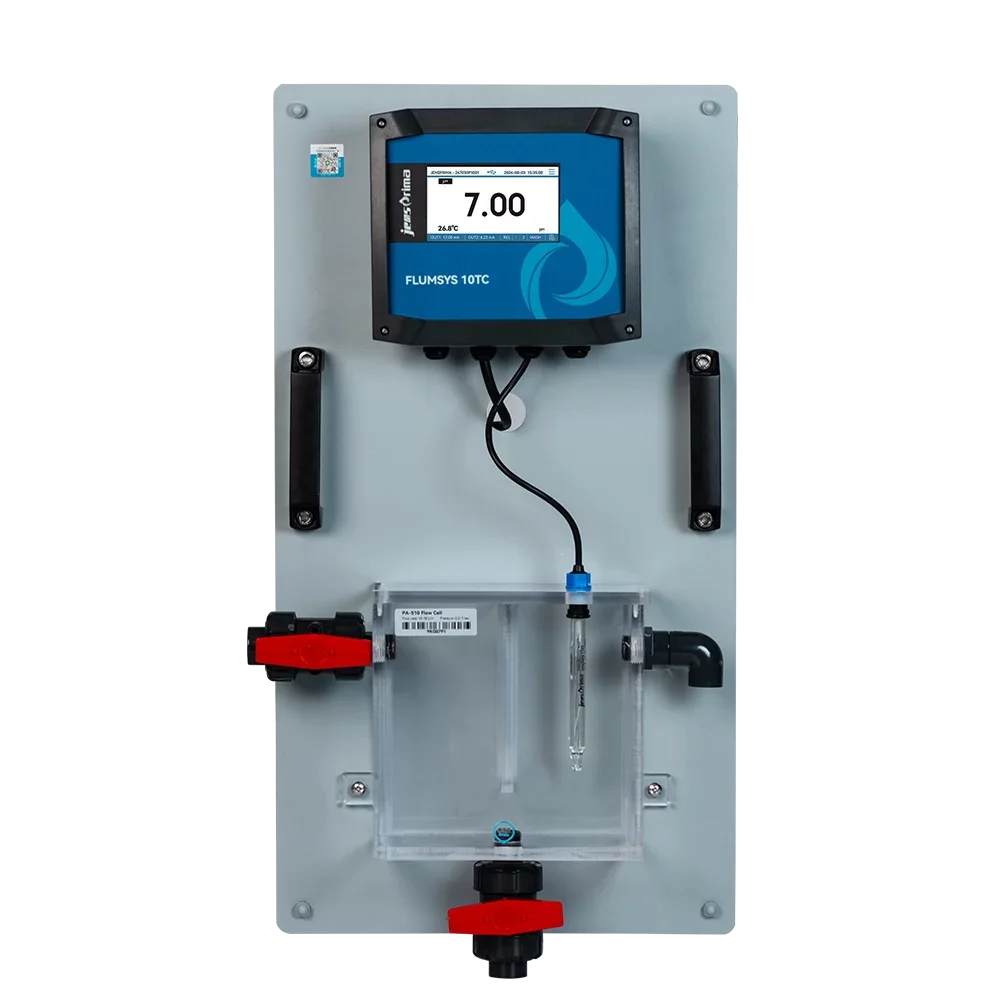
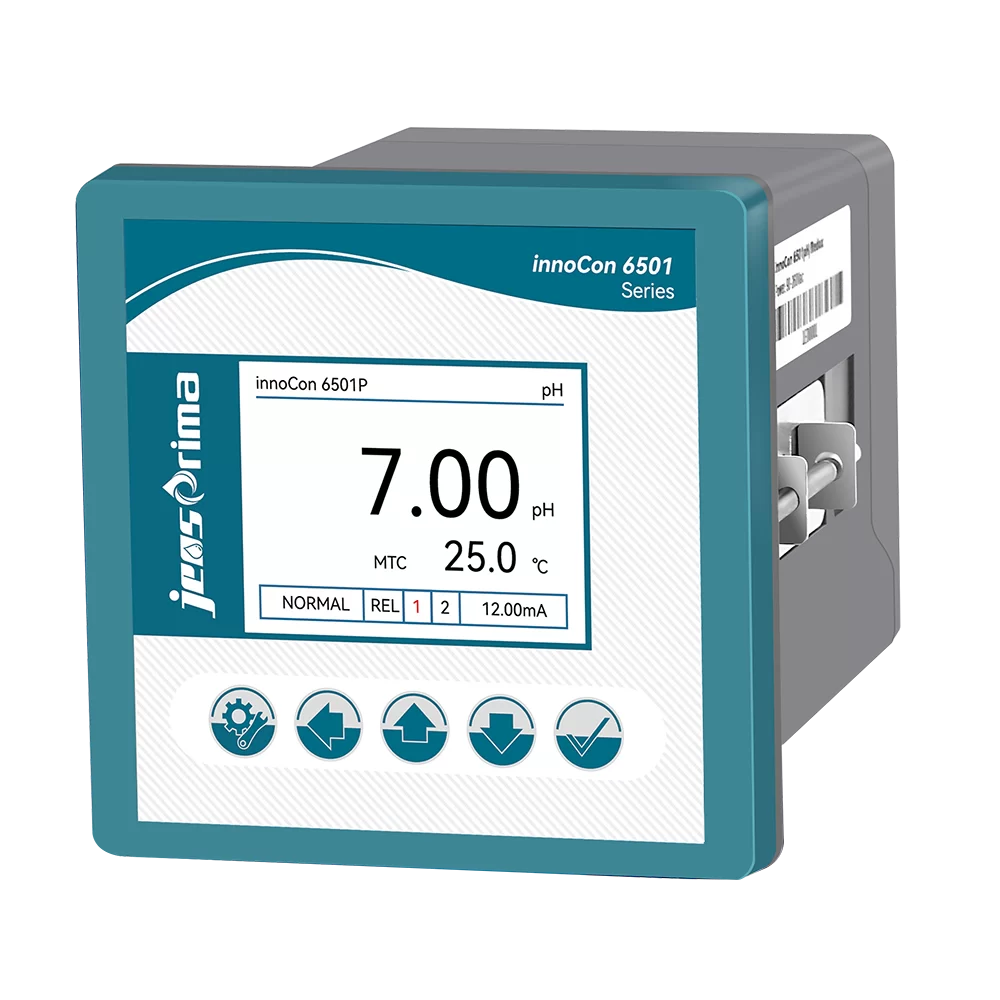
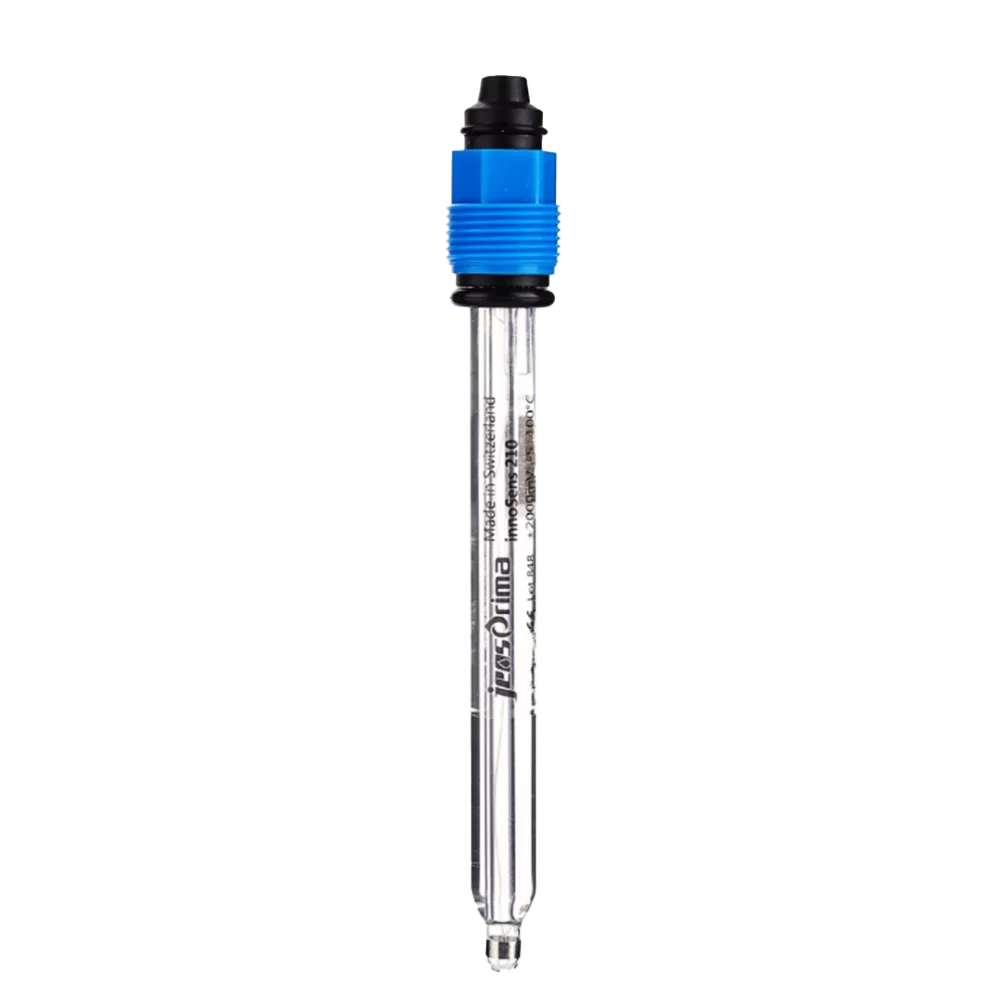
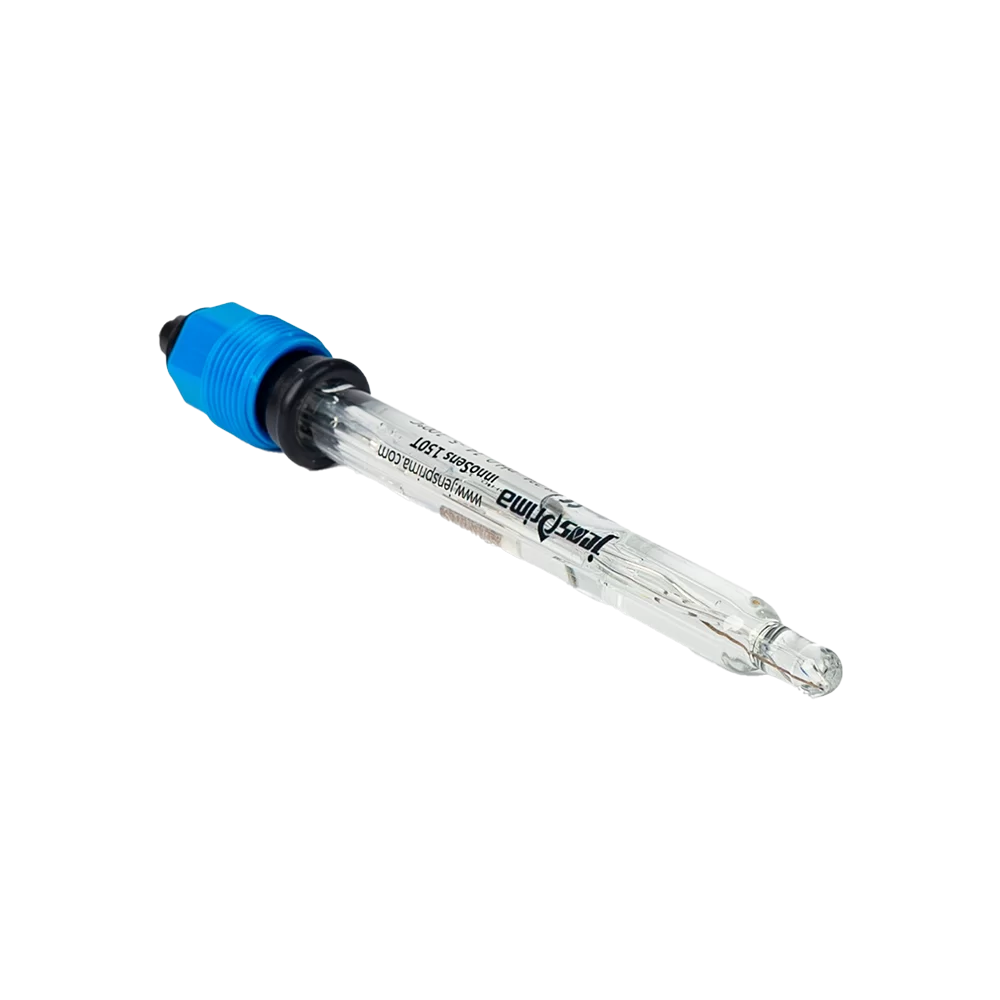
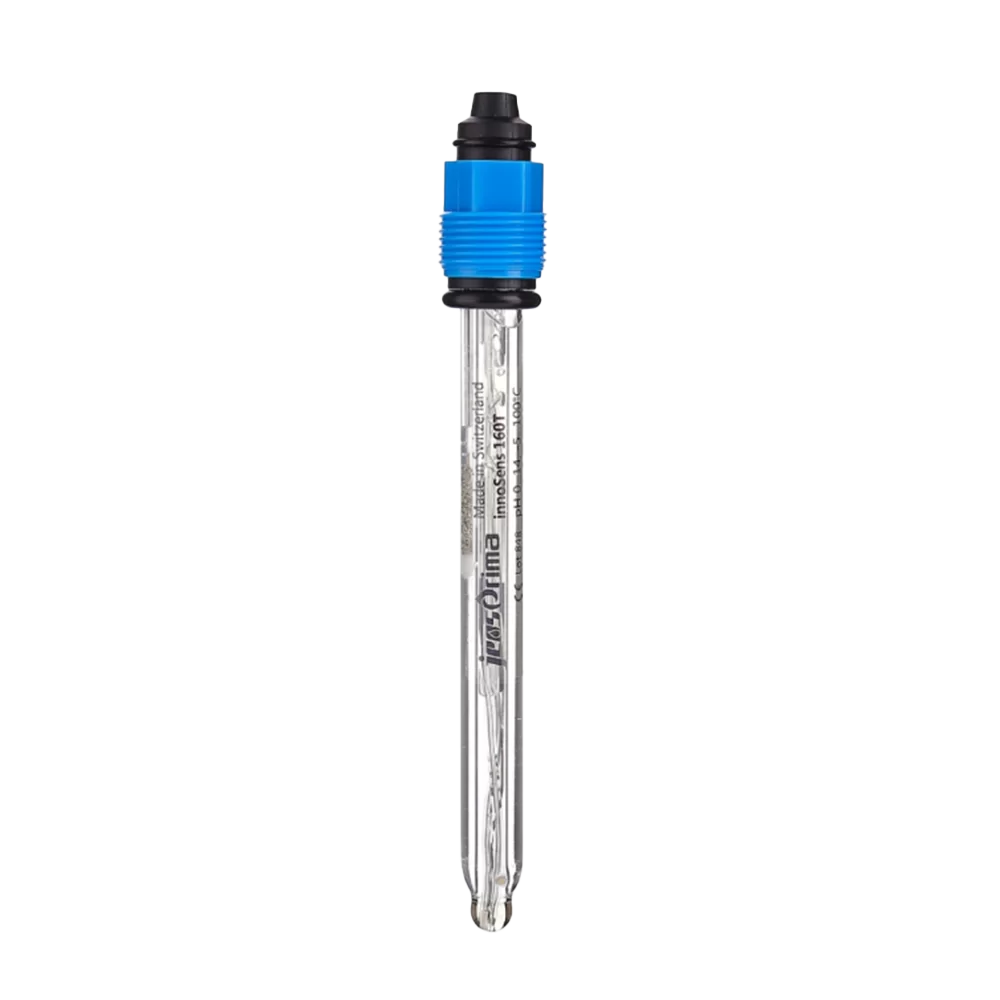
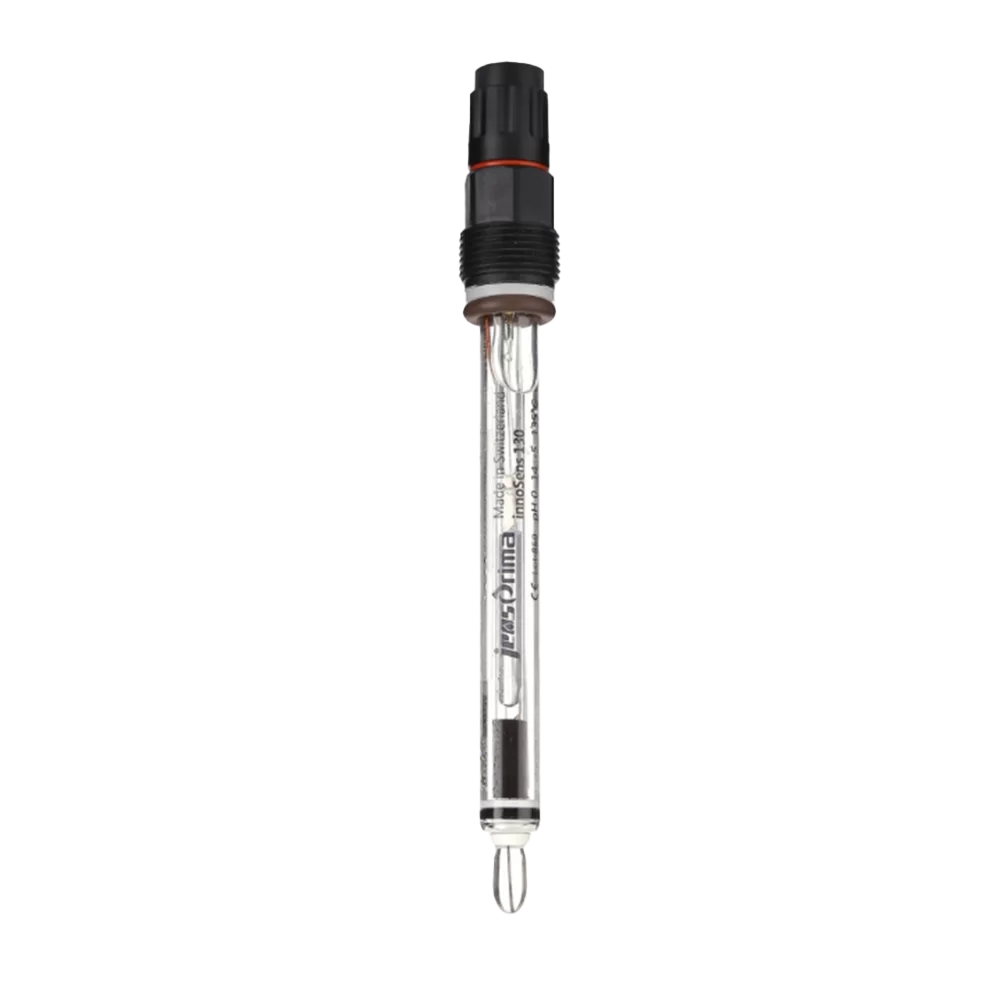
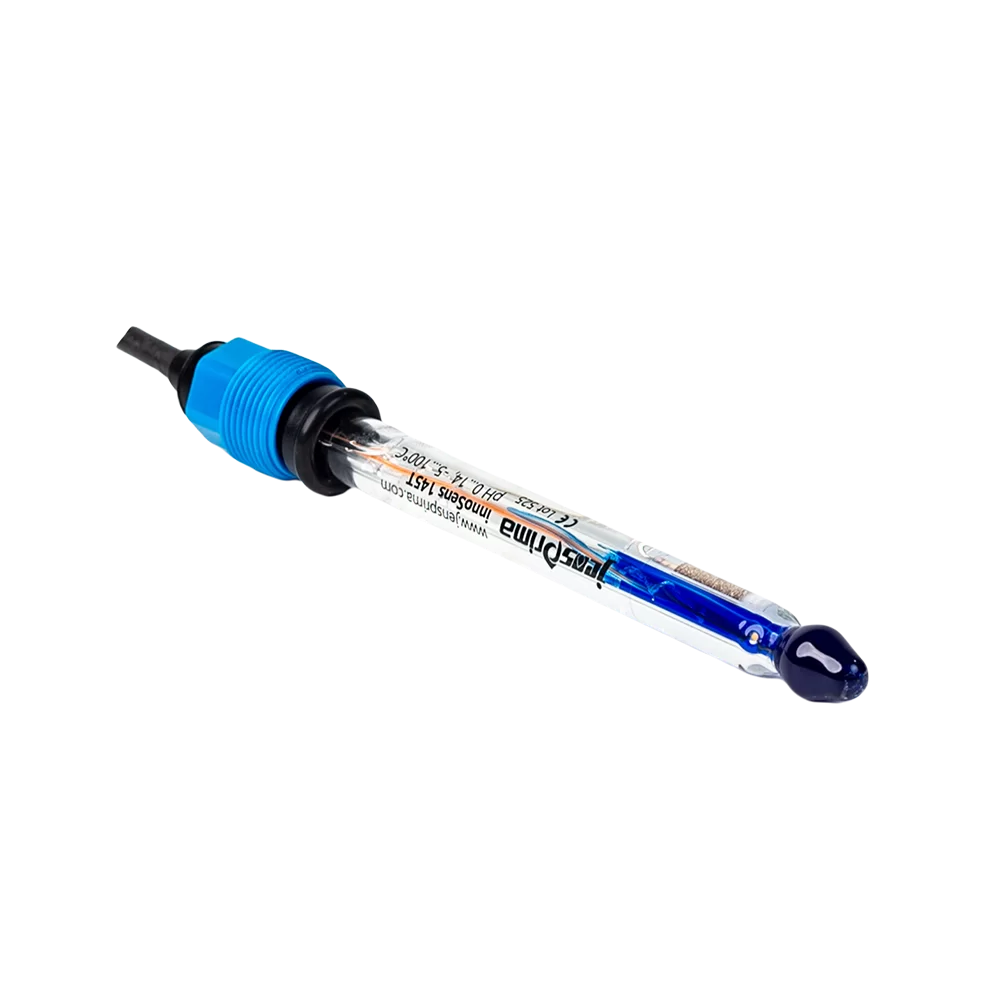
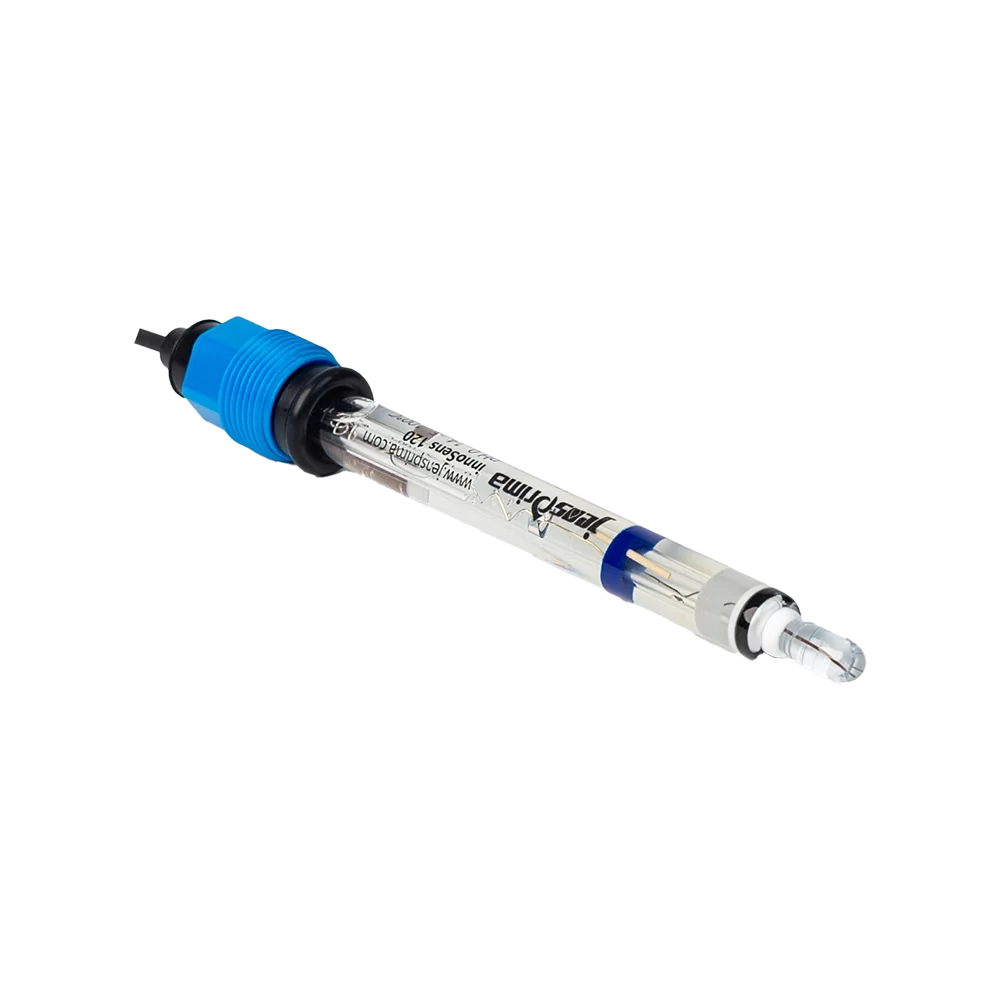
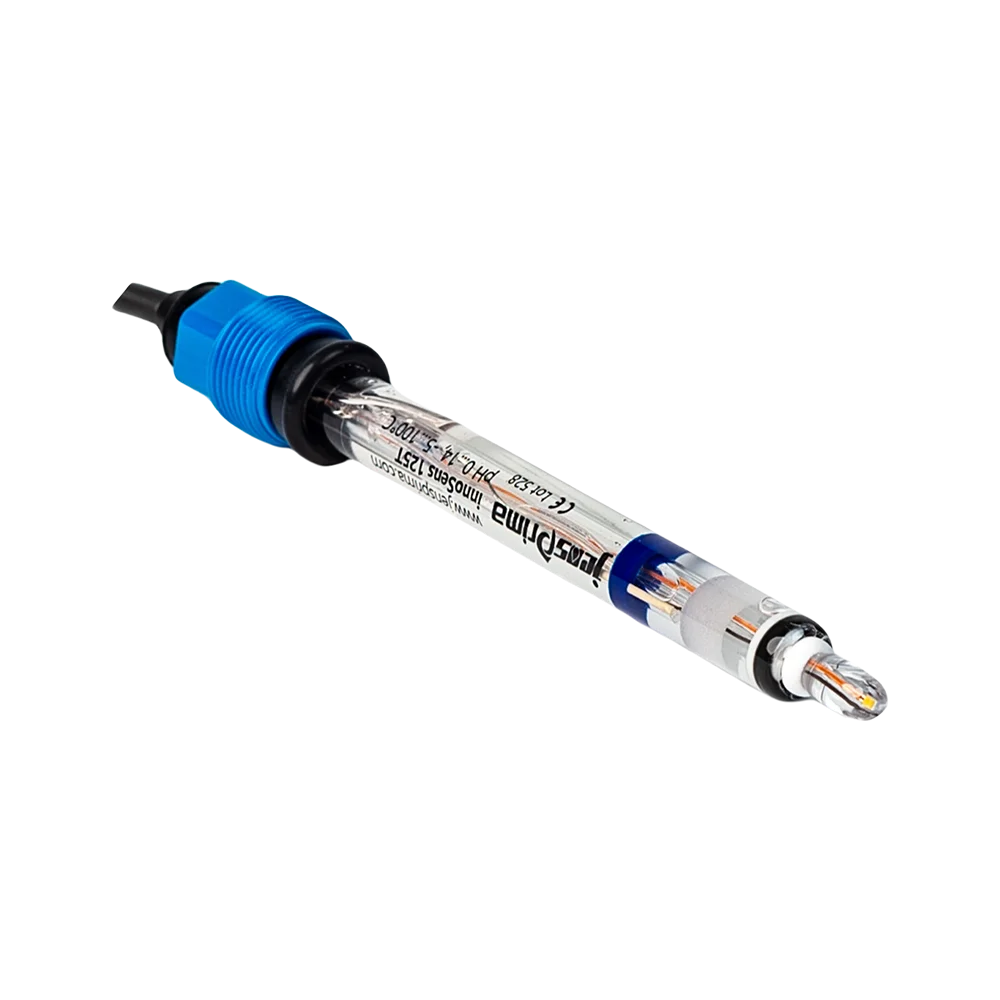
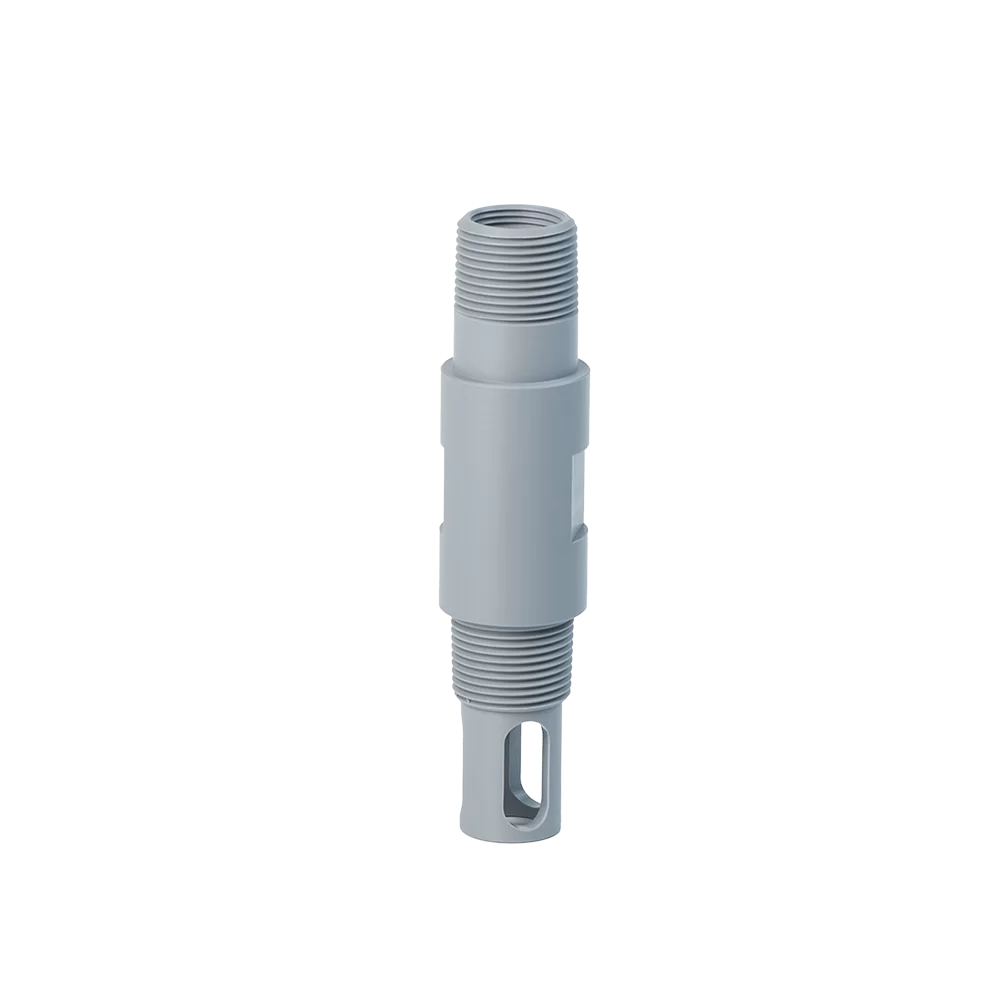
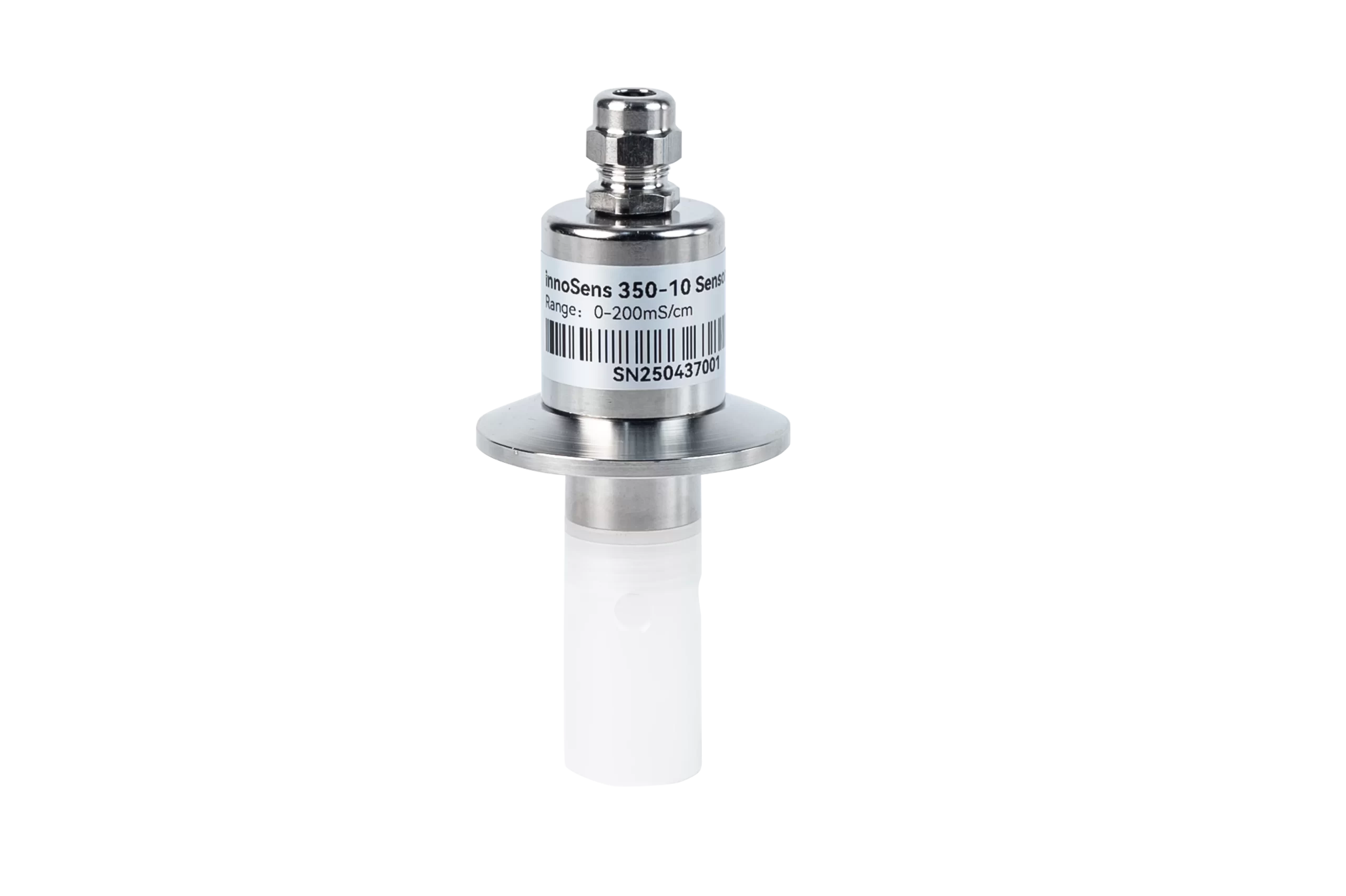
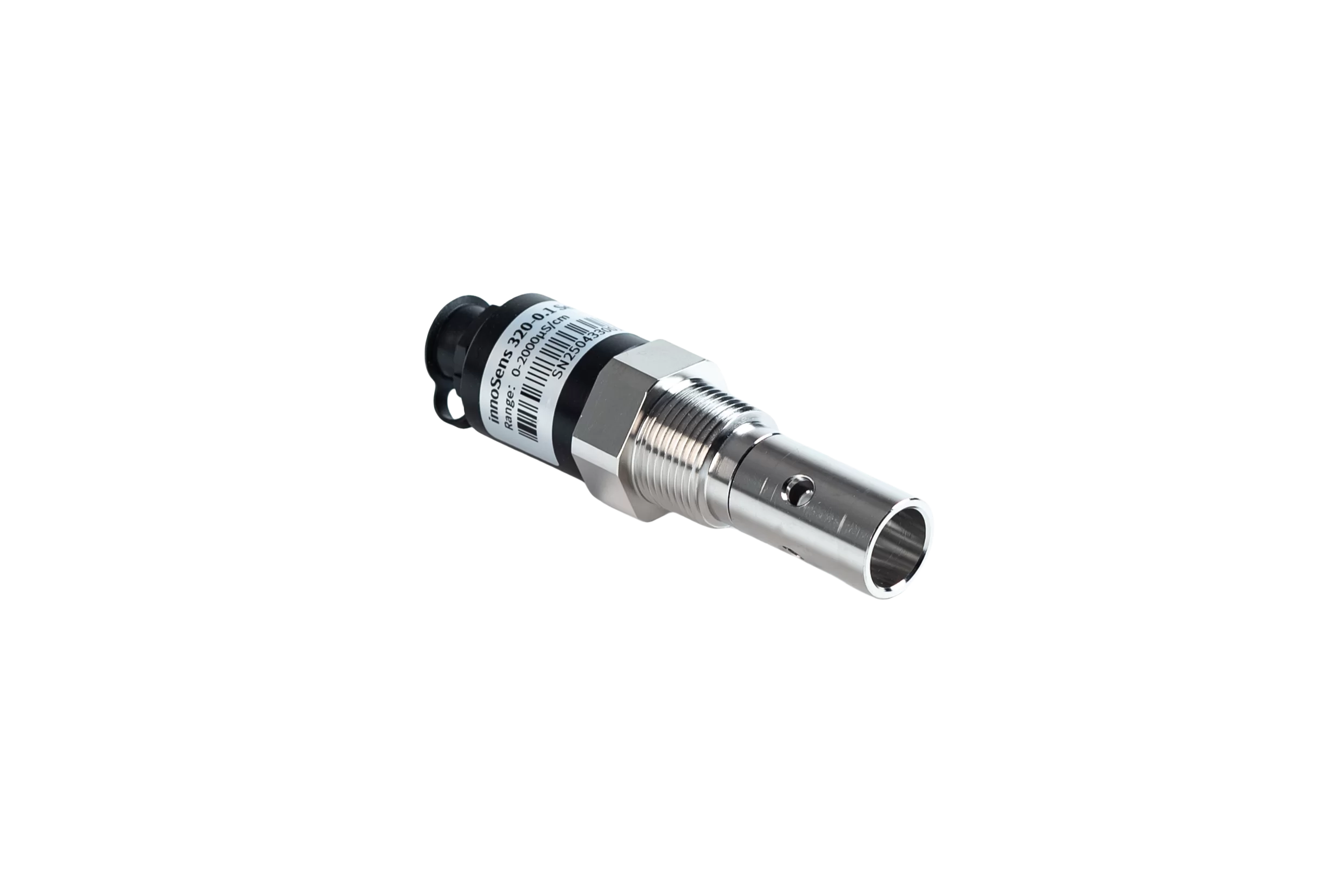
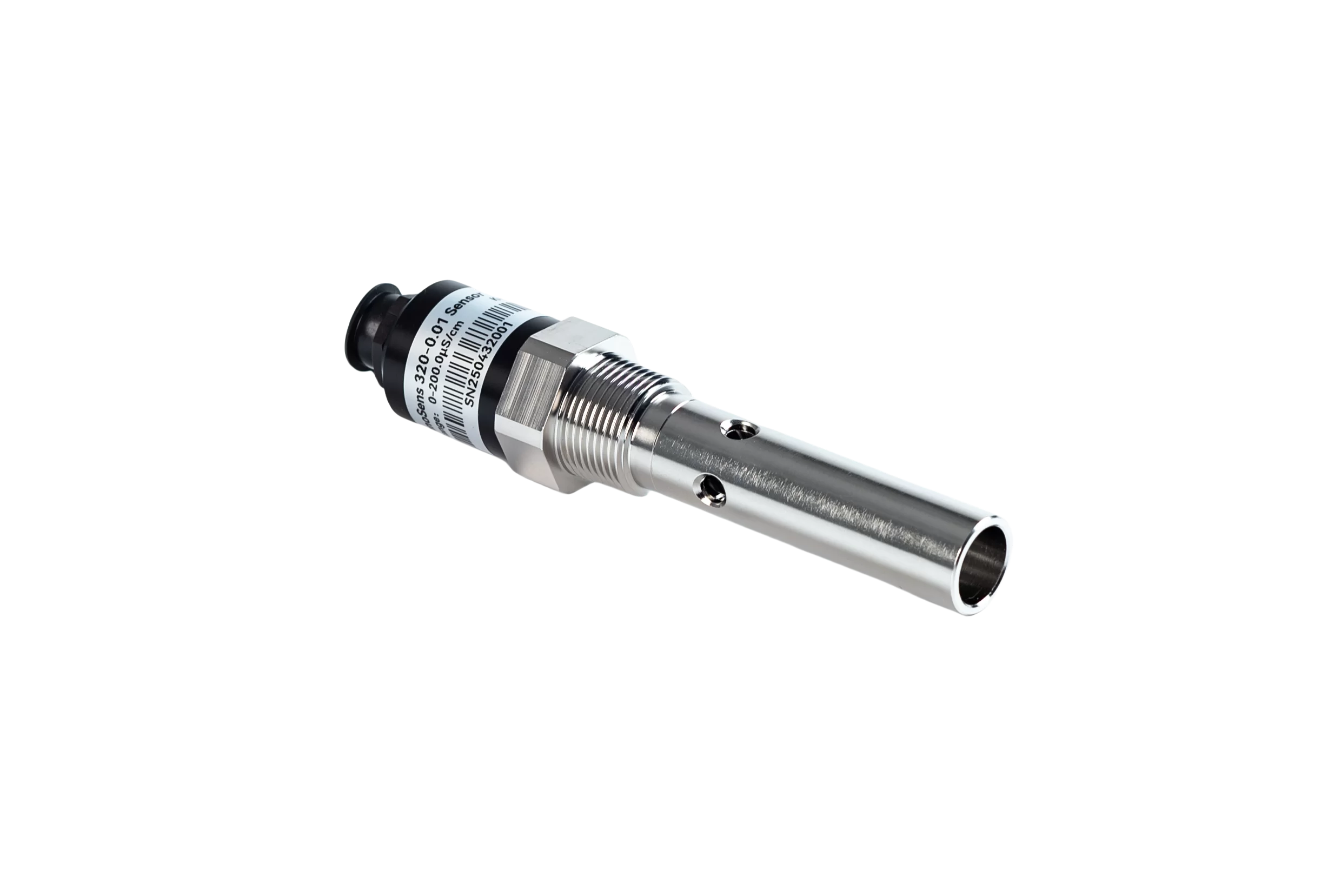
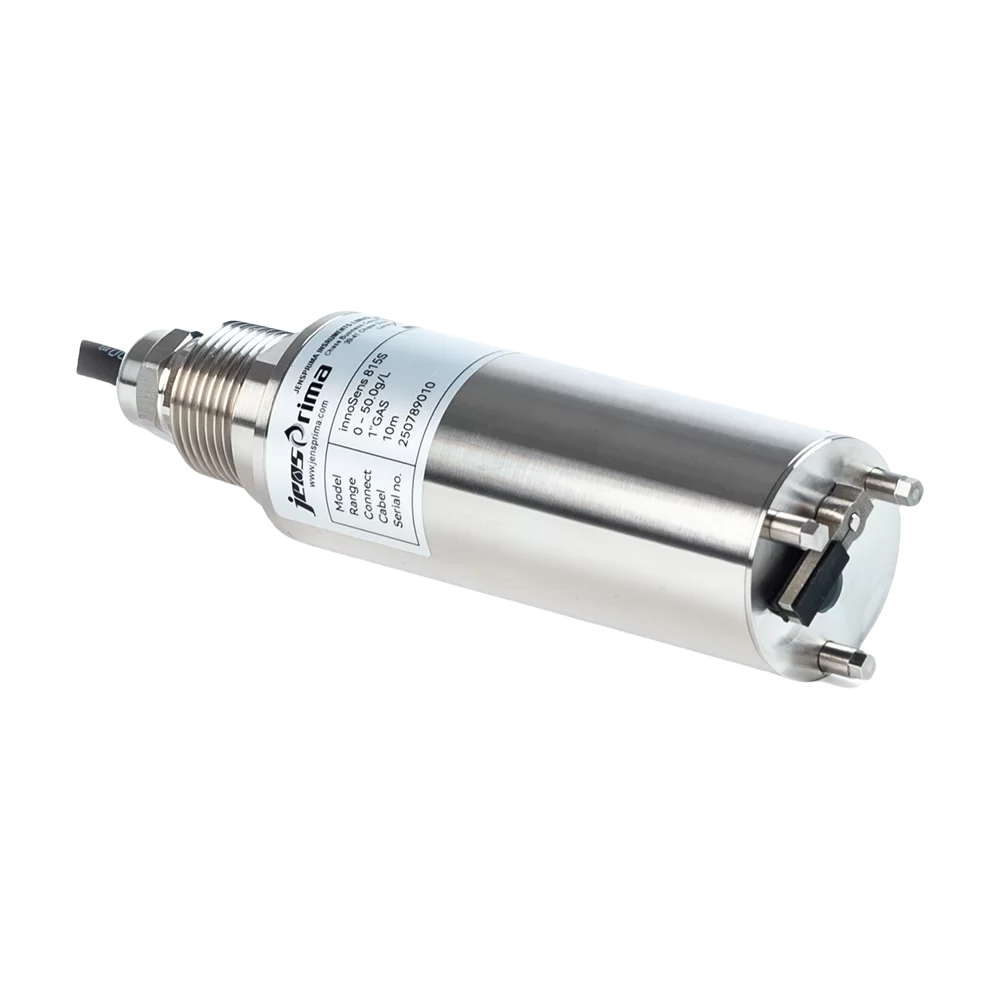
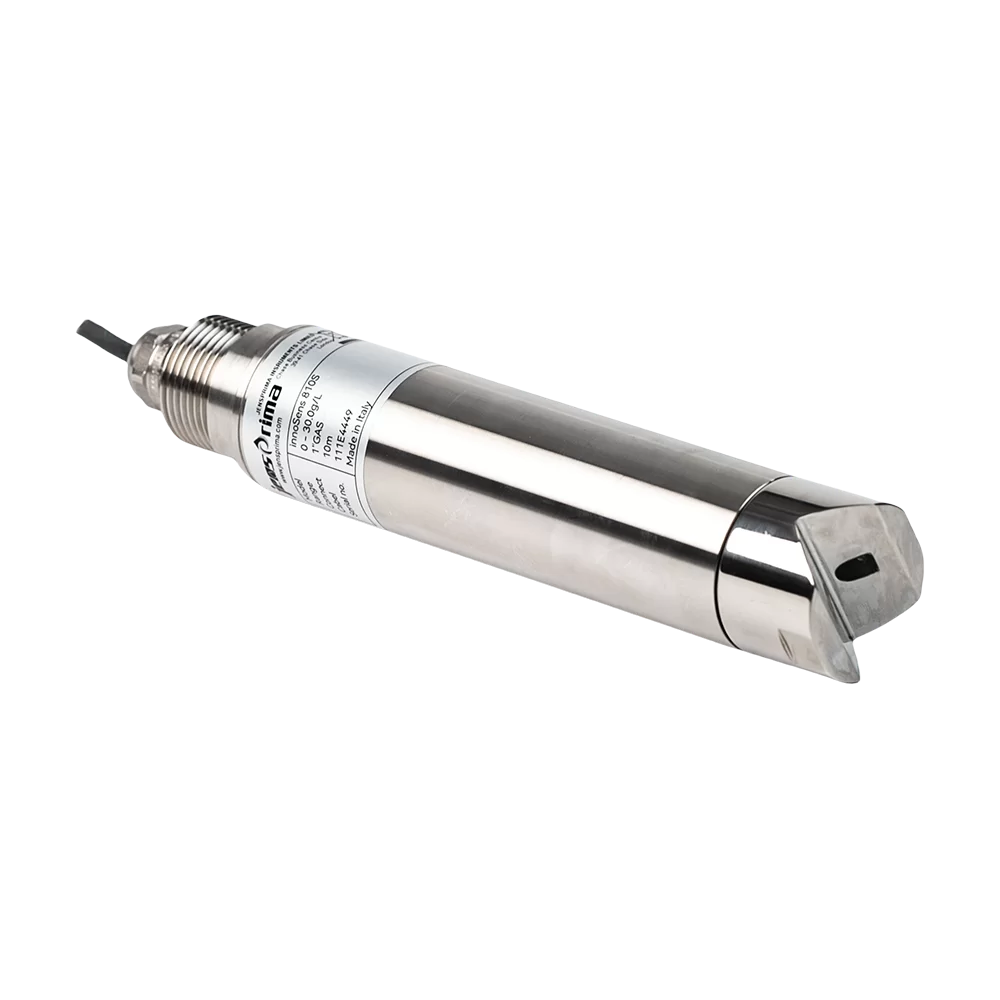
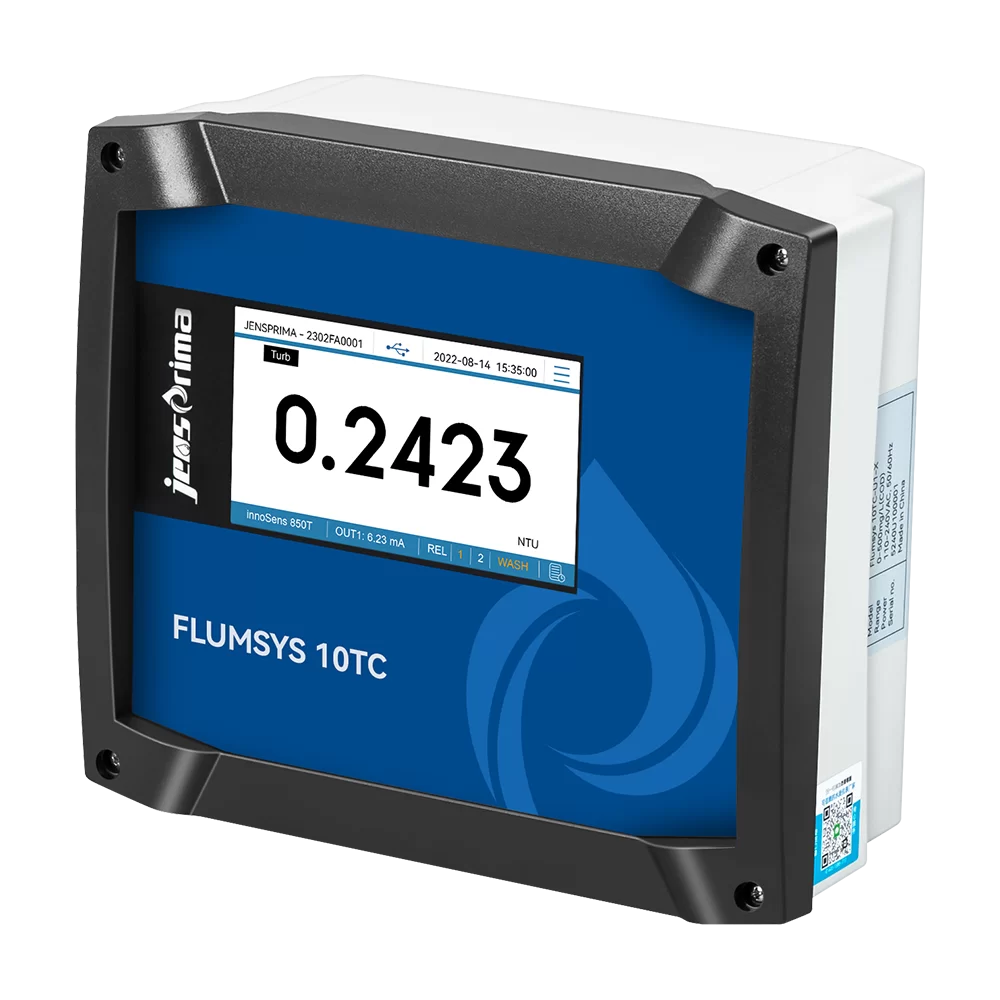
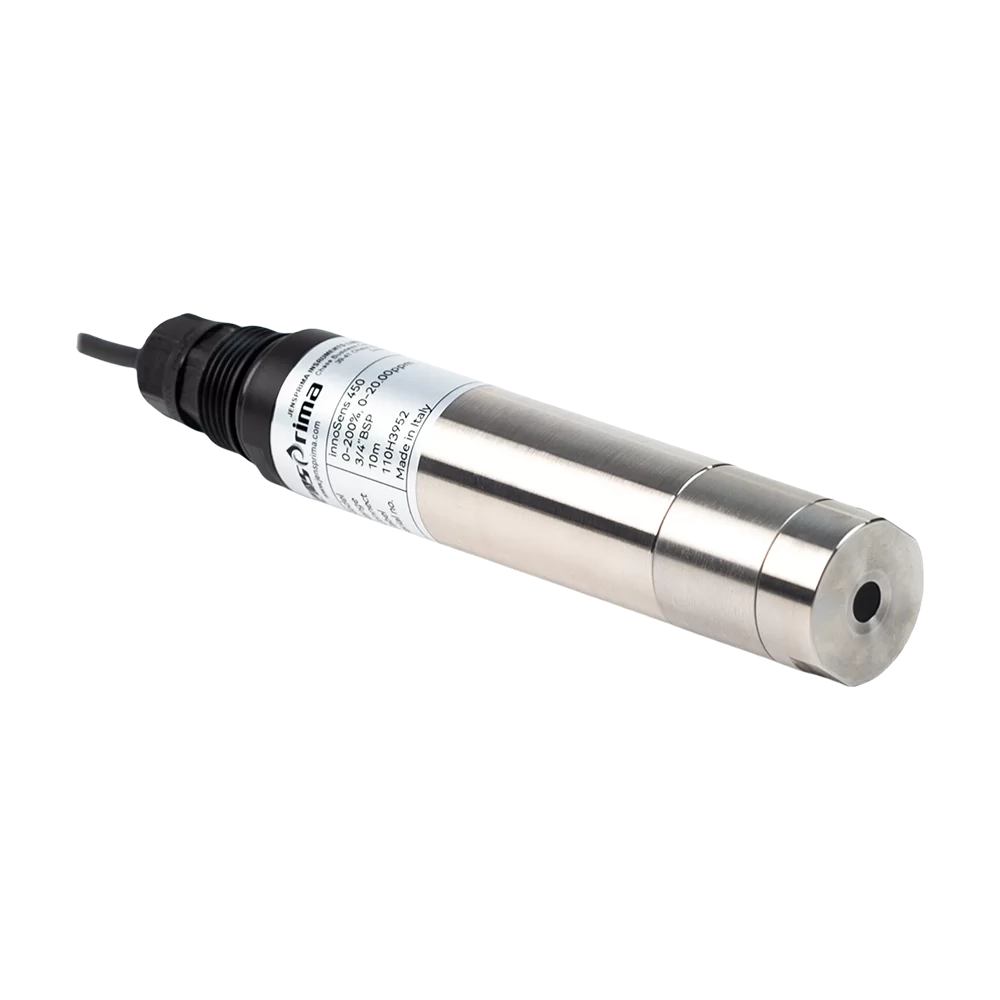
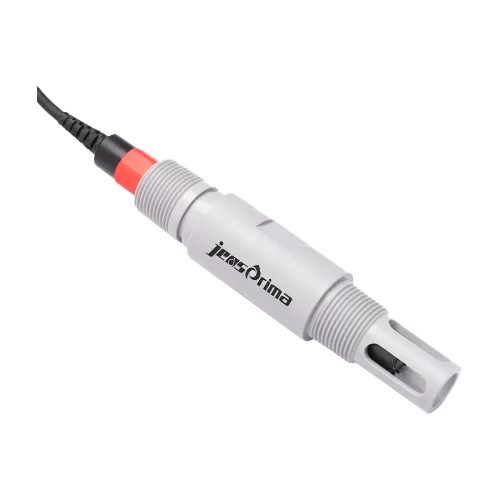
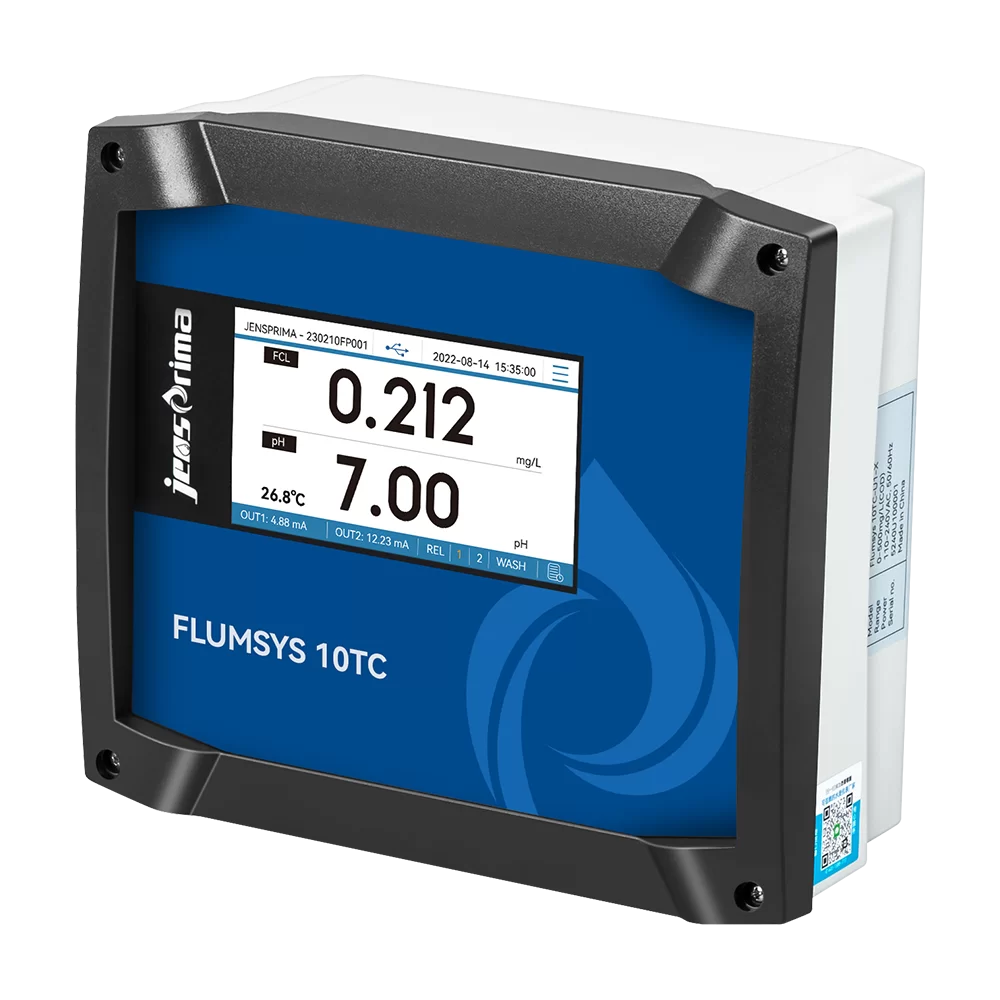
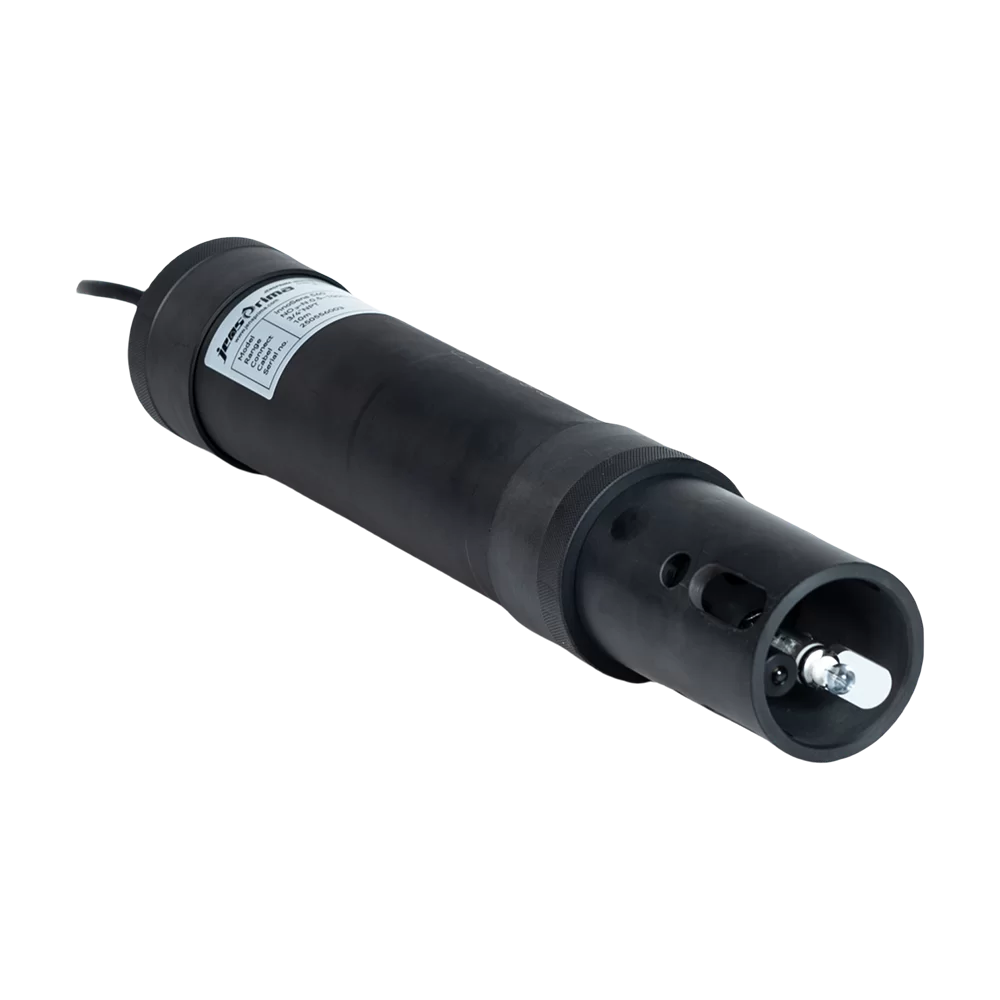
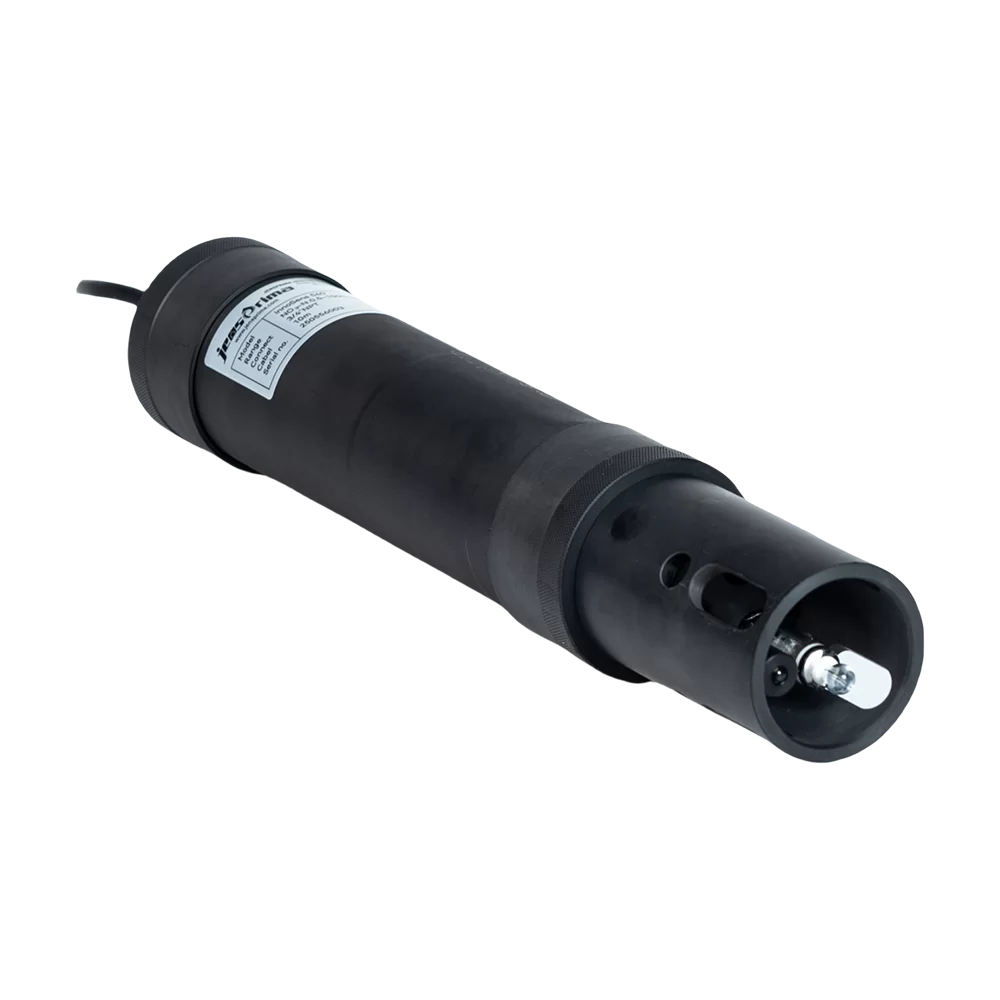
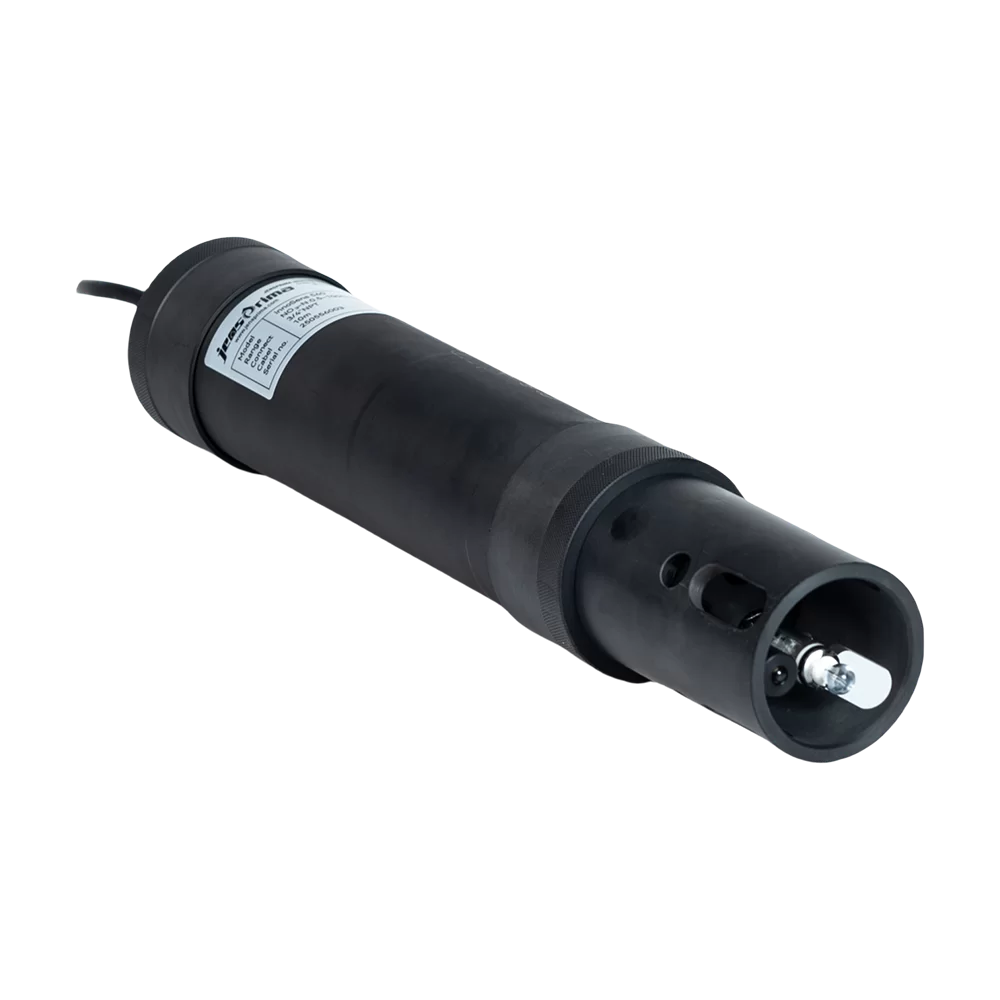
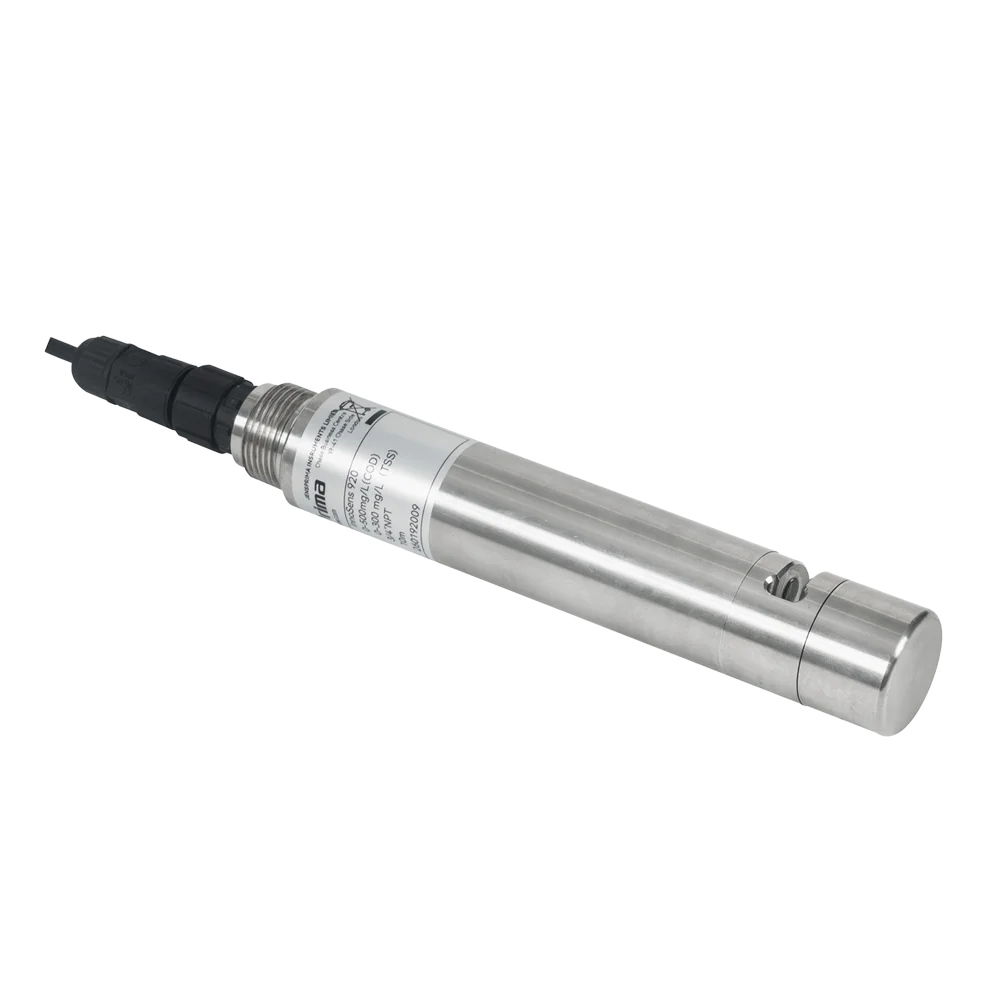
A typical multi parameter water quality analyzer comprises several key components, including sensors for measuring pH, dissolved oxygen (DO), conductivity, turbidity, temperature, and oxidation-reduction potential (ORP). More advanced models may also incorporate sensors for specific ions, nutrients, and organic compounds.
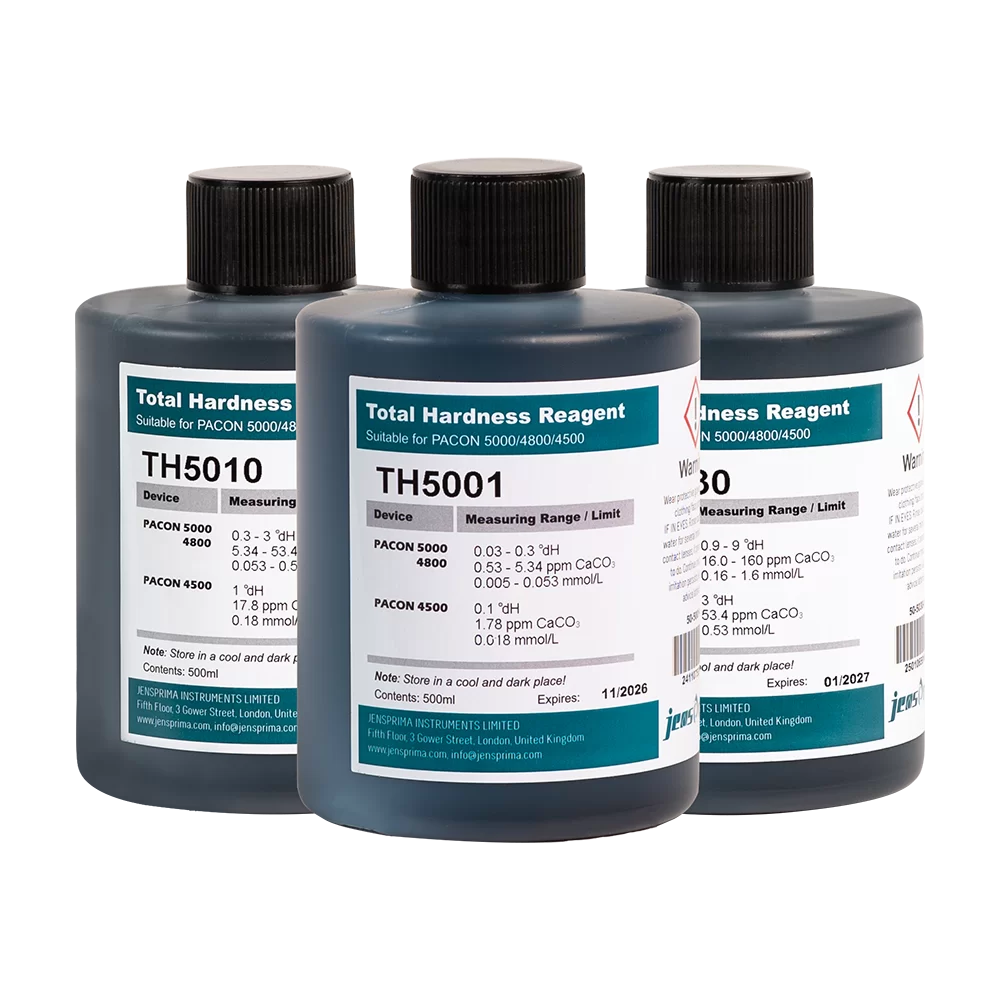
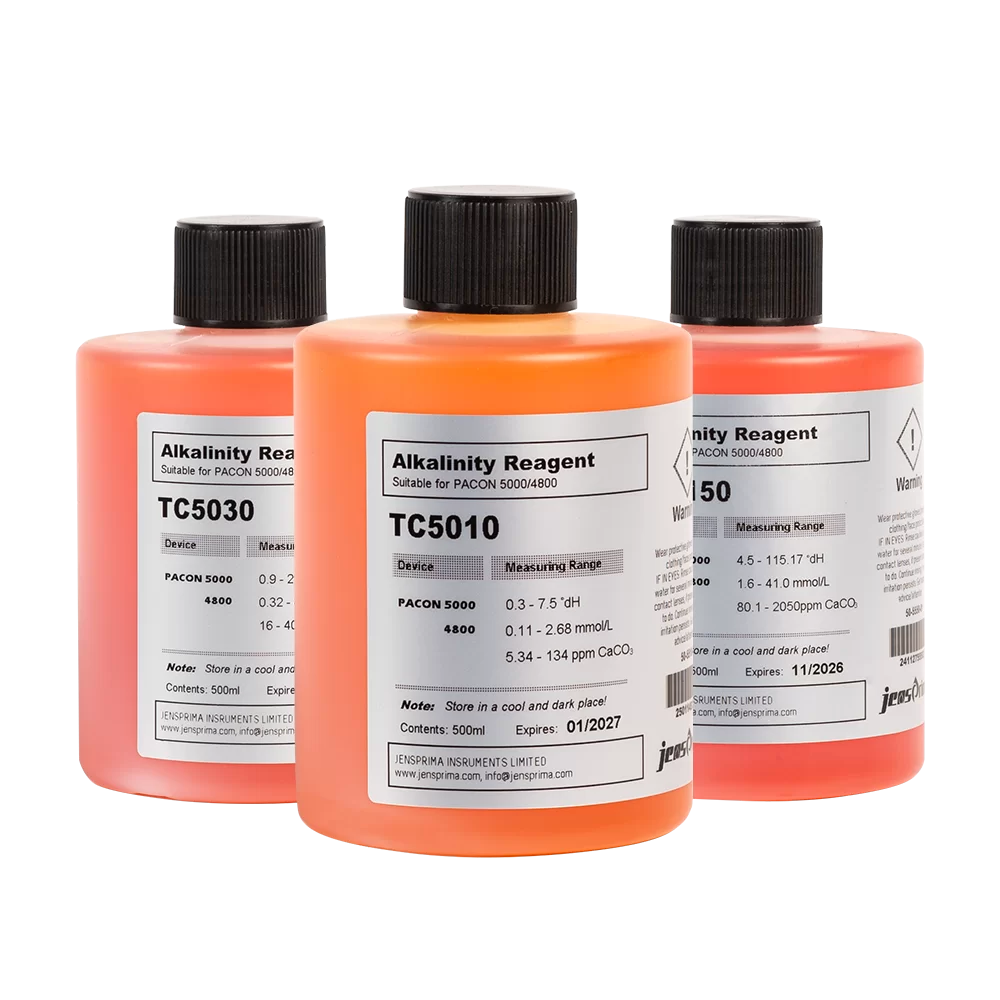
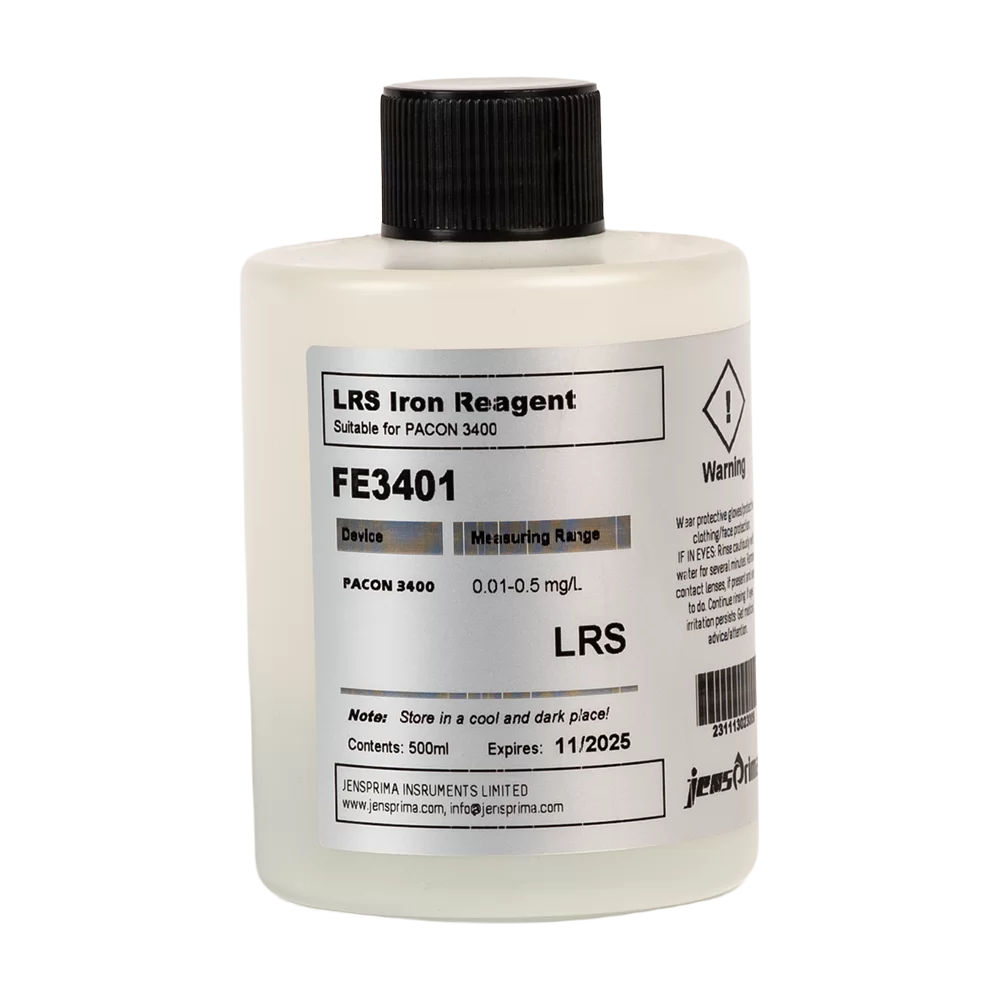
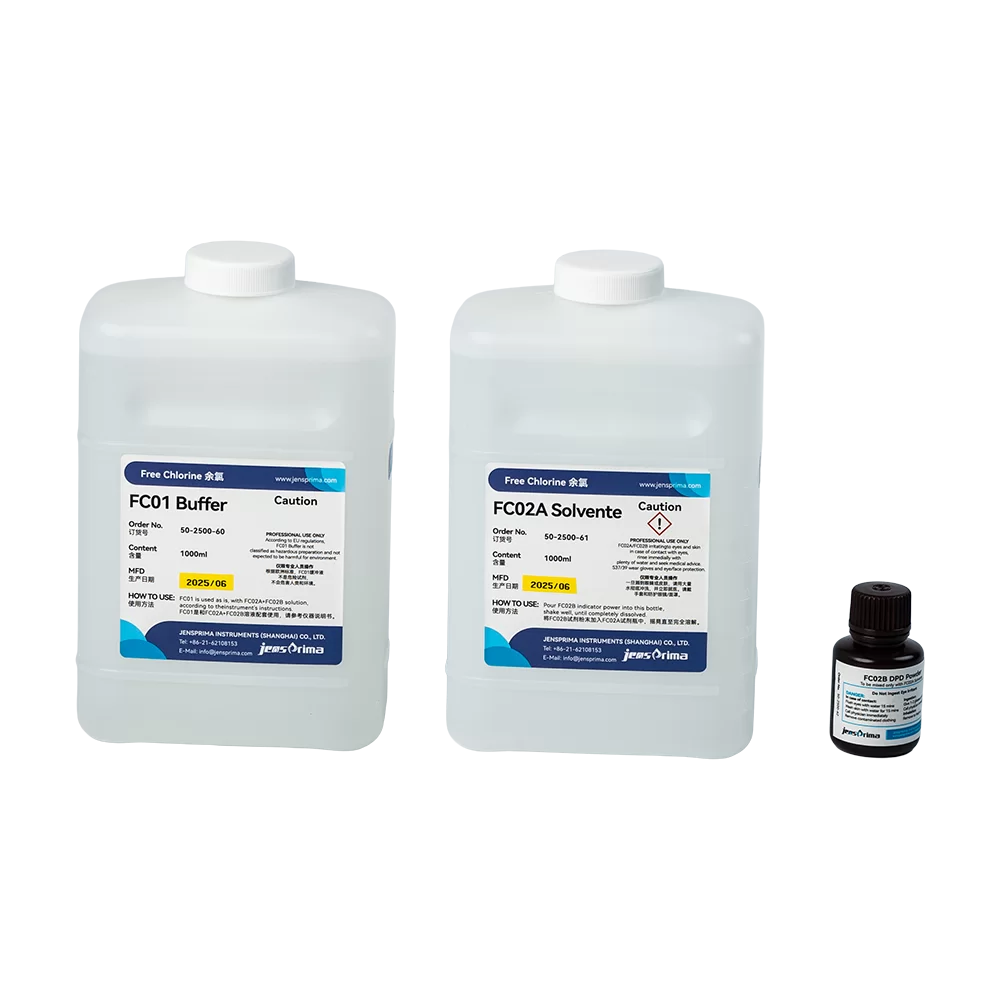
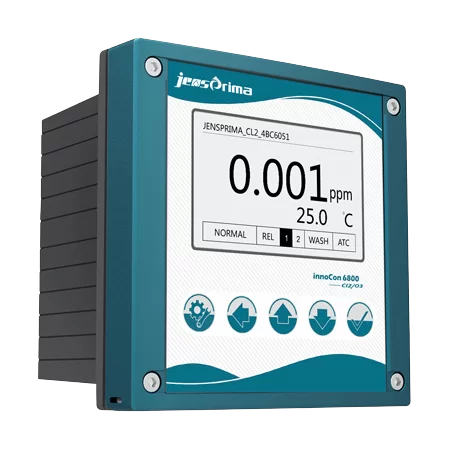
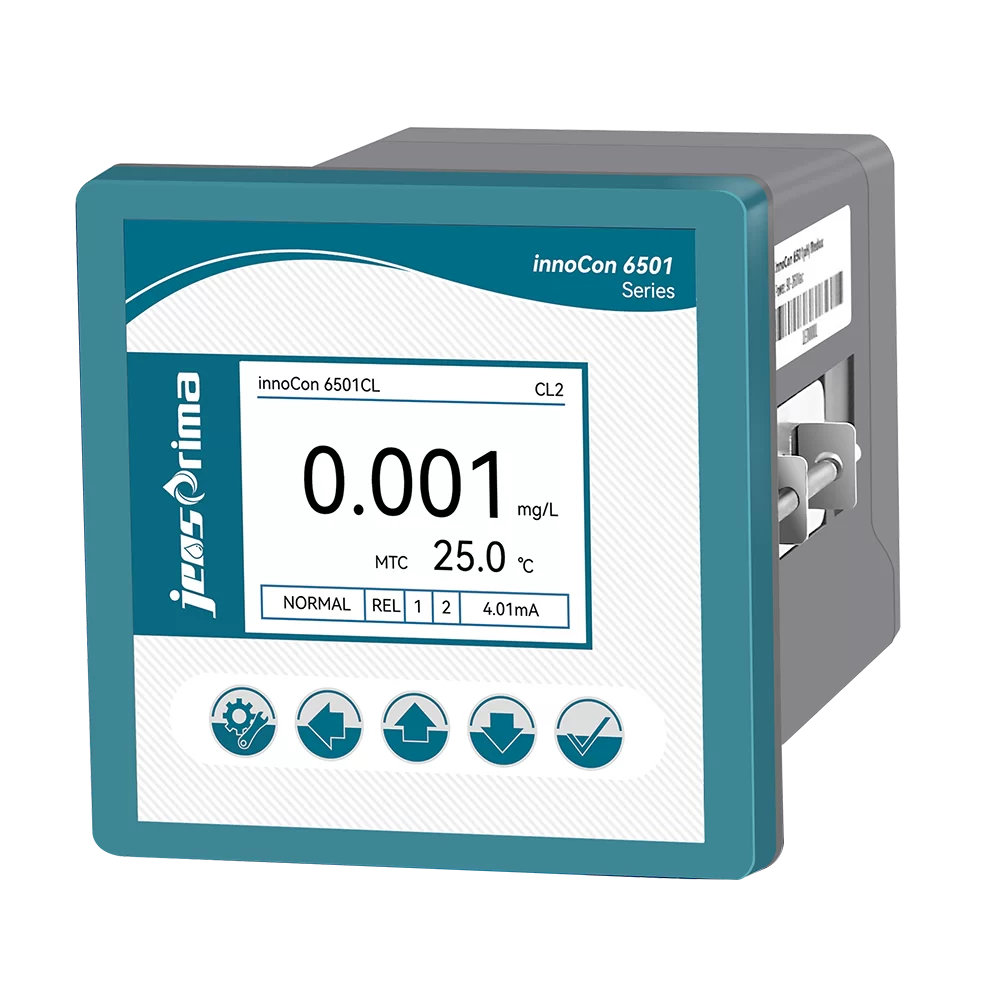
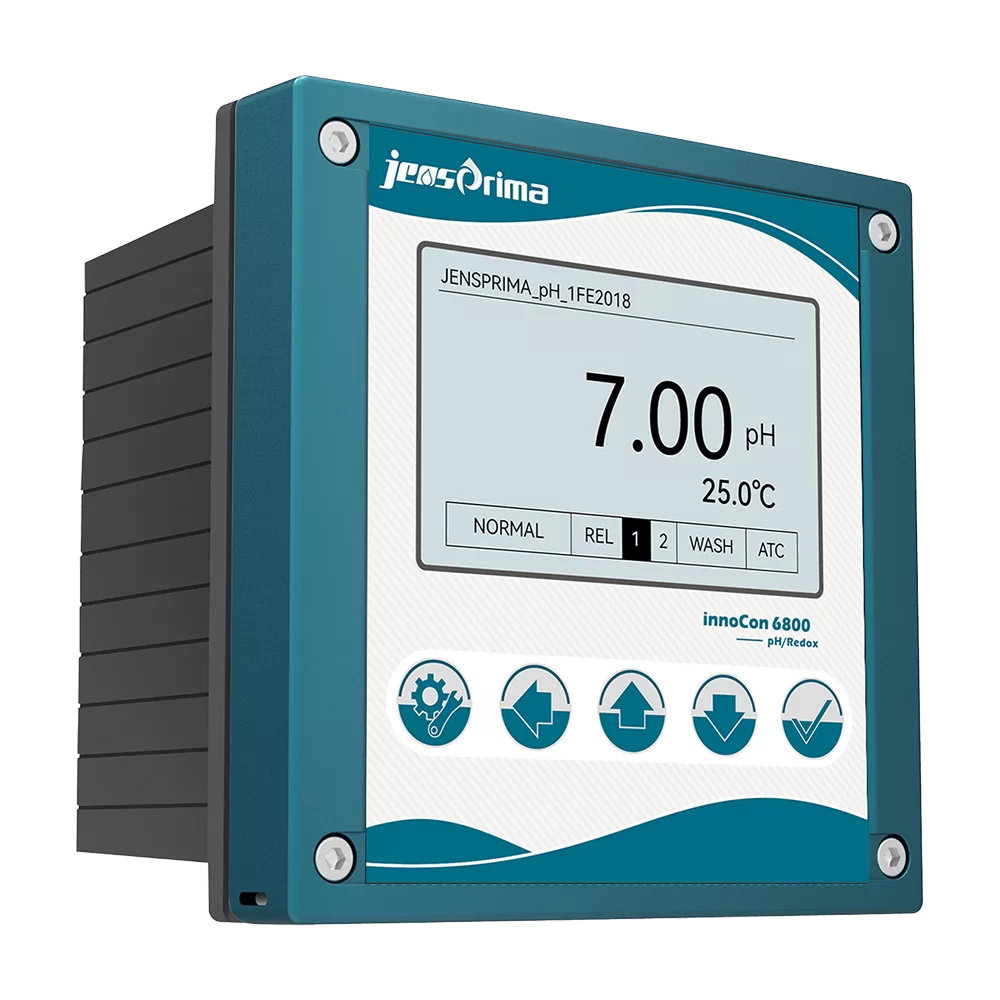
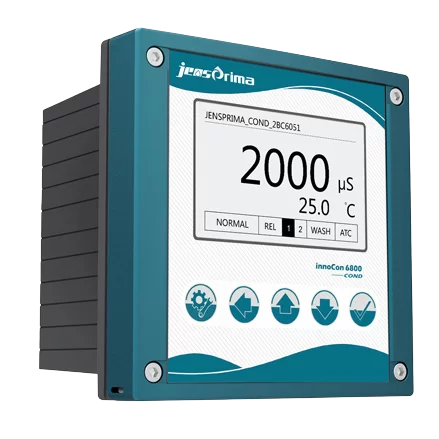
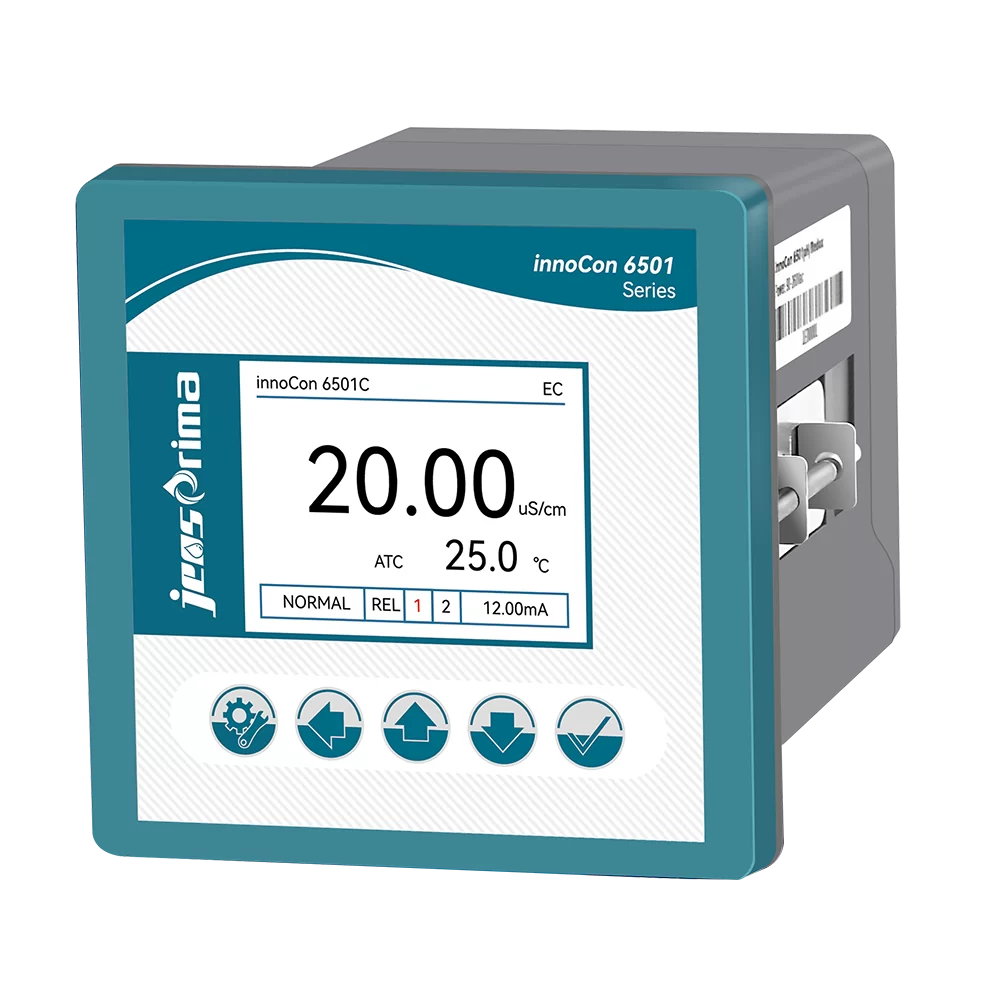
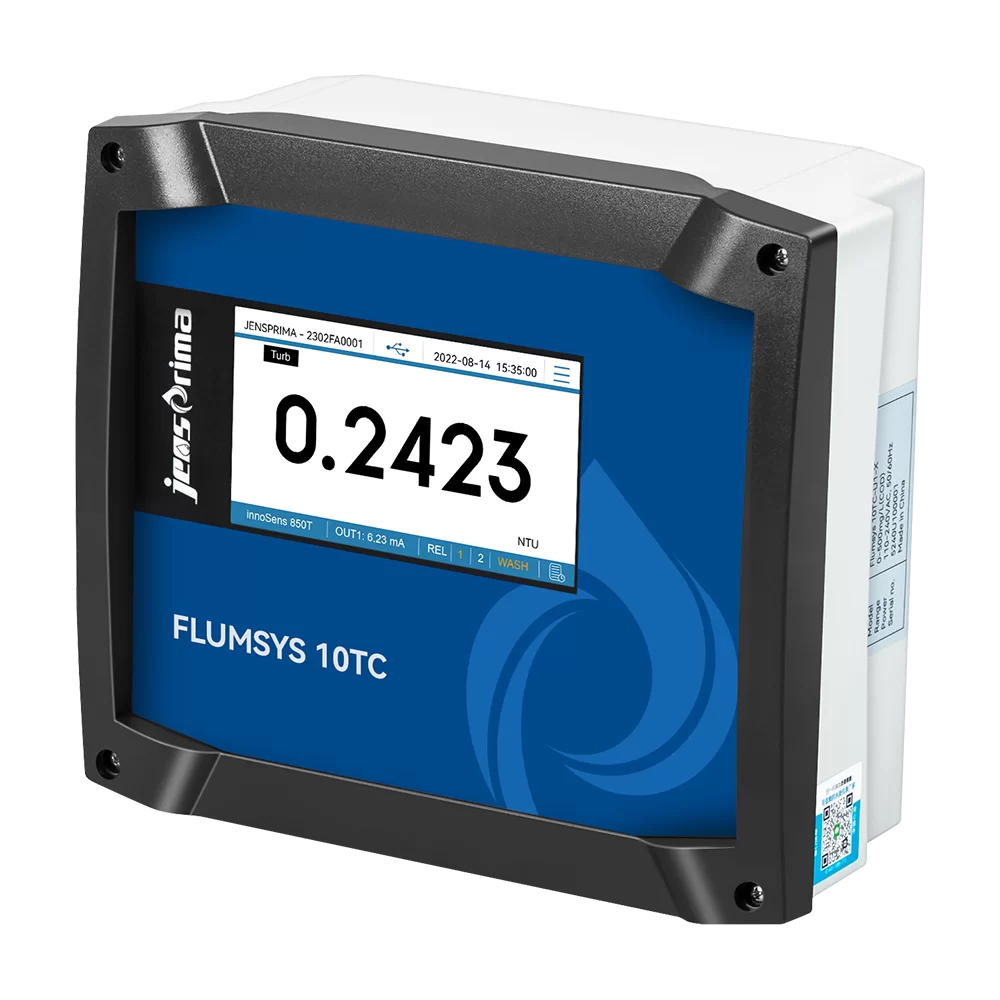
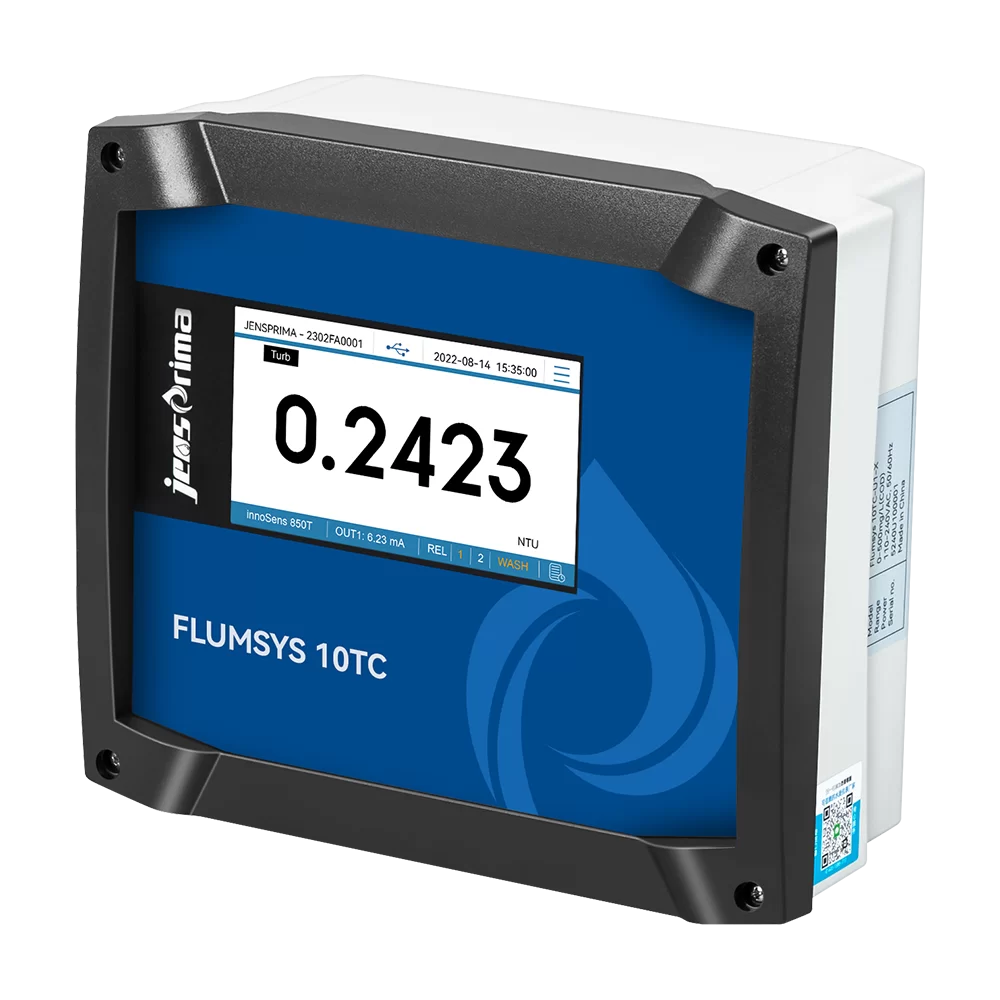
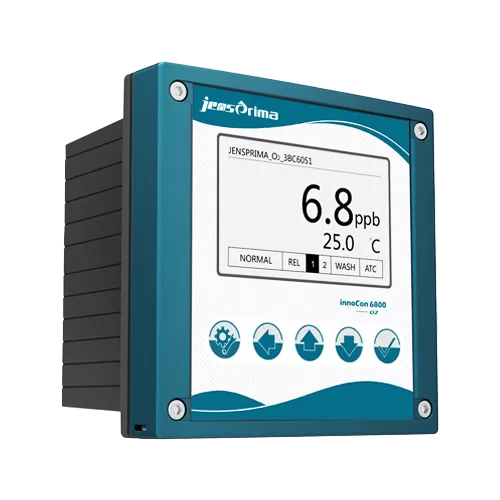
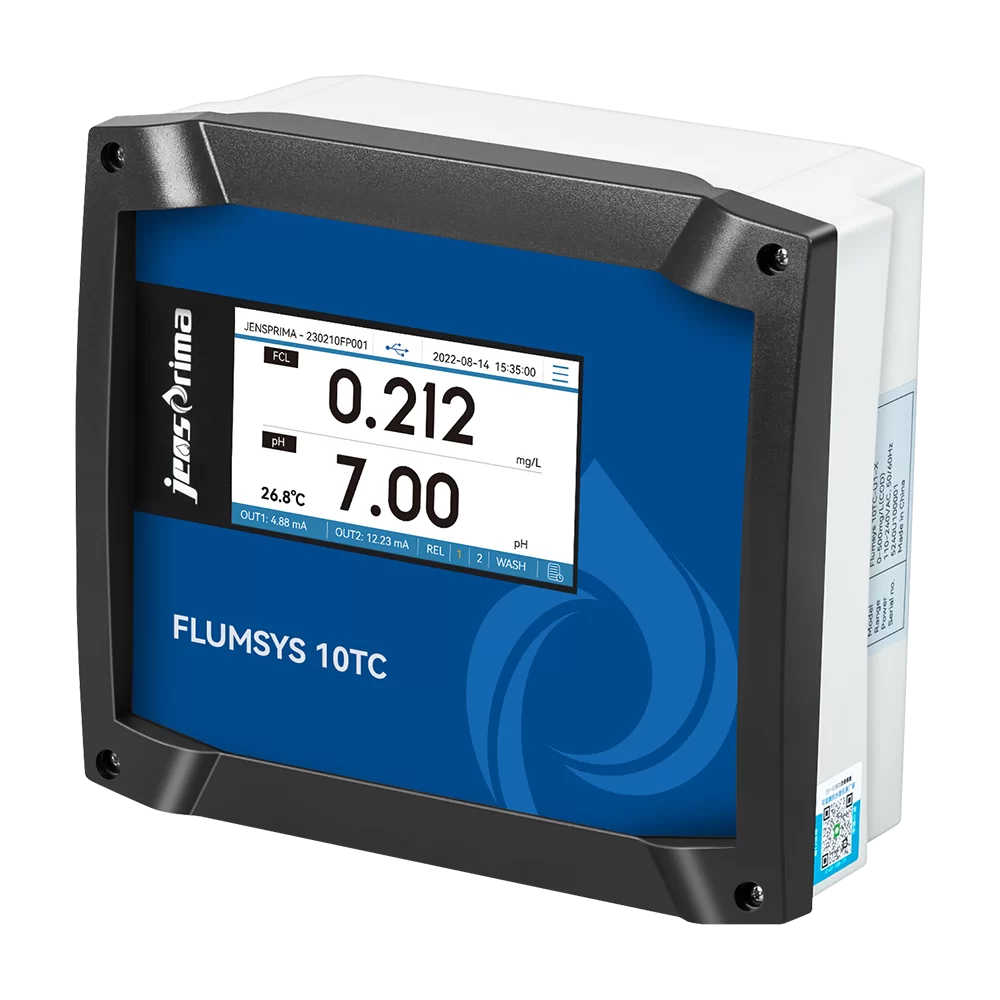
The core functionality relies on a central processing unit that collects data from the sensors, performs calculations, and displays the results on a user interface. Data logging and communication capabilities, such as USB or Bluetooth connectivity, enable data transfer and remote monitoring. Calibration solutions and accessories are also essential for maintaining accuracy and ensuring reliable performance.
These components work in synergy to provide a comprehensive and reliable assessment of water quality. The accuracy and precision of the sensors are paramount, and regular calibration is crucial to ensure the validity of the measurements. The robustness of the analyzer’s construction is also important for withstanding harsh environmental conditions.
Key Factors Influencing Performance
The performance of a multi parameter water quality analyzer hinges on several critical factors. Durability, encompassing the instrument's resistance to physical damage and environmental stressors, is vital for long-term reliability, especially in field applications.
Scalability—the ability to accommodate varying sample volumes and measurement ranges—is another important consideration, particularly for industrial applications or large-scale monitoring programs. Cost efficiency, including initial purchase price, maintenance costs, and sensor replacement expenses, also plays a significant role in the overall value proposition.
Comparative Analysis of multi parameter water quality analyzer Methods
Global Applications and Real-World Use Cases
A multi parameter water quality analyzer plays a pivotal role in environmental monitoring programs worldwide, tracking pollution levels in rivers, lakes, and oceans. They are instrumental in assessing the impact of industrial discharge and agricultural runoff on water ecosystems.
In post-disaster relief operations, these analyzers enable rapid assessment of water sources, ensuring the availability of safe drinking water for affected populations. Remote industrial zones, where access to laboratory facilities is limited, benefit significantly from the portability and on-site analysis capabilities of these instruments.
Organizations like the World Health Organization (WHO) and the Environmental Protection Agency (EPA) rely heavily on data generated by multi parameter water quality analyzers to establish water quality standards and enforce environmental regulations globally.
Advantages and Long-Term Value Proposition
The tangible benefits of utilizing a multi parameter water quality analyzer extend beyond accurate data collection. Cost savings are realized through reduced laboratory expenses, faster analysis times, and minimized labor requirements. The streamlined data acquisition process improves operational efficiency and facilitates proactive decision-making.
From a sustainability perspective, these analyzers enable responsible water resource management, contributing to the preservation of aquatic ecosystems and the long-term availability of clean water. The peace of mind derived from knowing water sources are safe and compliant with regulations fosters public trust and enhances community well-being.
Future Trends and Innovations in multi parameter water quality analyzer
The future of multi parameter water quality analyzers is marked by several exciting trends. Integration with Internet of Things (IoT) technologies is enabling real-time remote monitoring and data transmission, creating intelligent water management systems. Advancements in sensor technology are leading to smaller, more accurate, and more versatile analyzers.
The development of low-power, wireless sensors powered by renewable energy sources, such as solar power, is expanding the deployment possibilities in remote locations. Machine learning algorithms are being incorporated to analyze complex datasets and predict potential water quality issues before they arise, driving proactive mitigation strategies.
Furthermore, there’s a growing emphasis on developing analyzers capable of detecting emerging contaminants, such as microplastics and pharmaceutical residues, to address evolving environmental concerns. This ongoing innovation ensures that multi parameter water quality analyzers remain at the forefront of water quality monitoring technology.
FAQS
The lifespan of sensors in a multi parameter water quality analyzer varies depending on the type of sensor and the frequency of use. Generally, pH sensors last 1-2 years, dissolved oxygen sensors 12-18 months, and conductivity sensors 2-3 years. Regular calibration and proper maintenance significantly extend sensor life. Some newer models offer self-cleaning sensors that can further prolong their usability.
Calibration involves using known standard solutions to adjust the analyzer’s sensors to provide accurate readings. The process varies depending on the analyzer model, but generally involves immersing the sensor in calibration solutions and following the instrument’s guided calibration procedure. Regular calibration, typically weekly or monthly, is essential for maintaining data integrity.
Portable analyzers are designed for field use, offering mobility and convenience, while benchtop analyzers are typically used in laboratories for more detailed analysis. Portable models are often more rugged and battery-powered, whereas benchtop models have higher precision and can accommodate a wider range of sensors. The choice depends on the specific application and data requirements.
Yes, many multi parameter water quality analyzers are designed for use in saltwater environments, but it’s crucial to select a model specifically rated for salinity. Saltwater can corrode sensors not designed for marine applications. Ensure the sensors and housing materials are compatible with saltwater before deployment. Regular maintenance and cleaning are also essential.
Most modern multi parameter water quality analyzers offer internal data logging capabilities, storing measurements for later download. Connectivity options include USB, Bluetooth, and Wi-Fi, enabling data transfer to computers, smartphones, or cloud-based platforms. Some models also support real-time data streaming for remote monitoring.
Regular cleaning is essential to prevent sensor fouling and ensure accurate readings. Rinse the sensors with distilled water after each use and follow the manufacturer’s instructions for cleaning specific sensors. Store the analyzer in a clean, dry environment when not in use. Periodically inspect sensors for damage and replace them as needed.
Conclusion
In conclusion, a multi parameter water quality analyzer is an indispensable tool for effective water resource management. Its ability to provide comprehensive, real-time data on multiple parameters streamlines monitoring processes, enhances accuracy, and facilitates proactive decision-making. From environmental protection to public health and industrial applications, the benefits are far-reaching and contribute significantly to a sustainable future.
Looking ahead, continued innovation in sensor technology, data analytics, and connectivity will further expand the capabilities of these analyzers. Investing in these advanced tools is not simply a technological upgrade; it's a commitment to safeguarding our most precious resource and ensuring a healthy planet for generations to come. Visit our website at www.jensprima.com to explore our range of multi parameter water quality analyzer solutions.



 Download
 Video Center
 Technical Services
 FAQS
FAQS Service Network
 Privacy Policy
 Contact Us